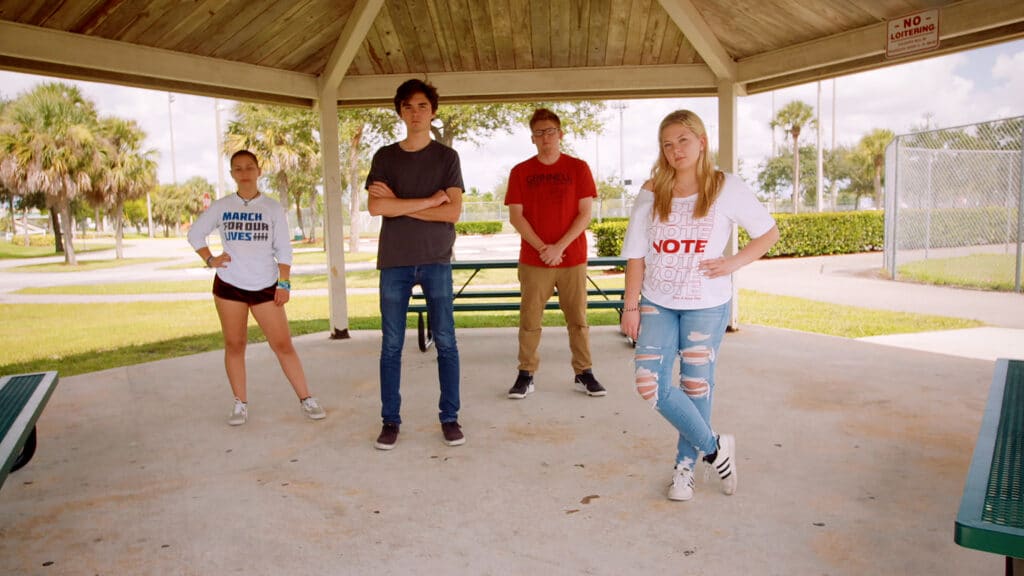
David Hogg, Emma Gonzalez, Jaclyn Corin and Matt Deitsch grew up in a country where school shooting drills are a regular part of life. Nevertheless, living in affluent Parkland, Florida’s safest community, they thought it could never happen to them. But it did. On Wednesday February 14, 2018, a former student returned to Marjory Stoneman Douglas High School and shot 17 people dead, including 14 children.
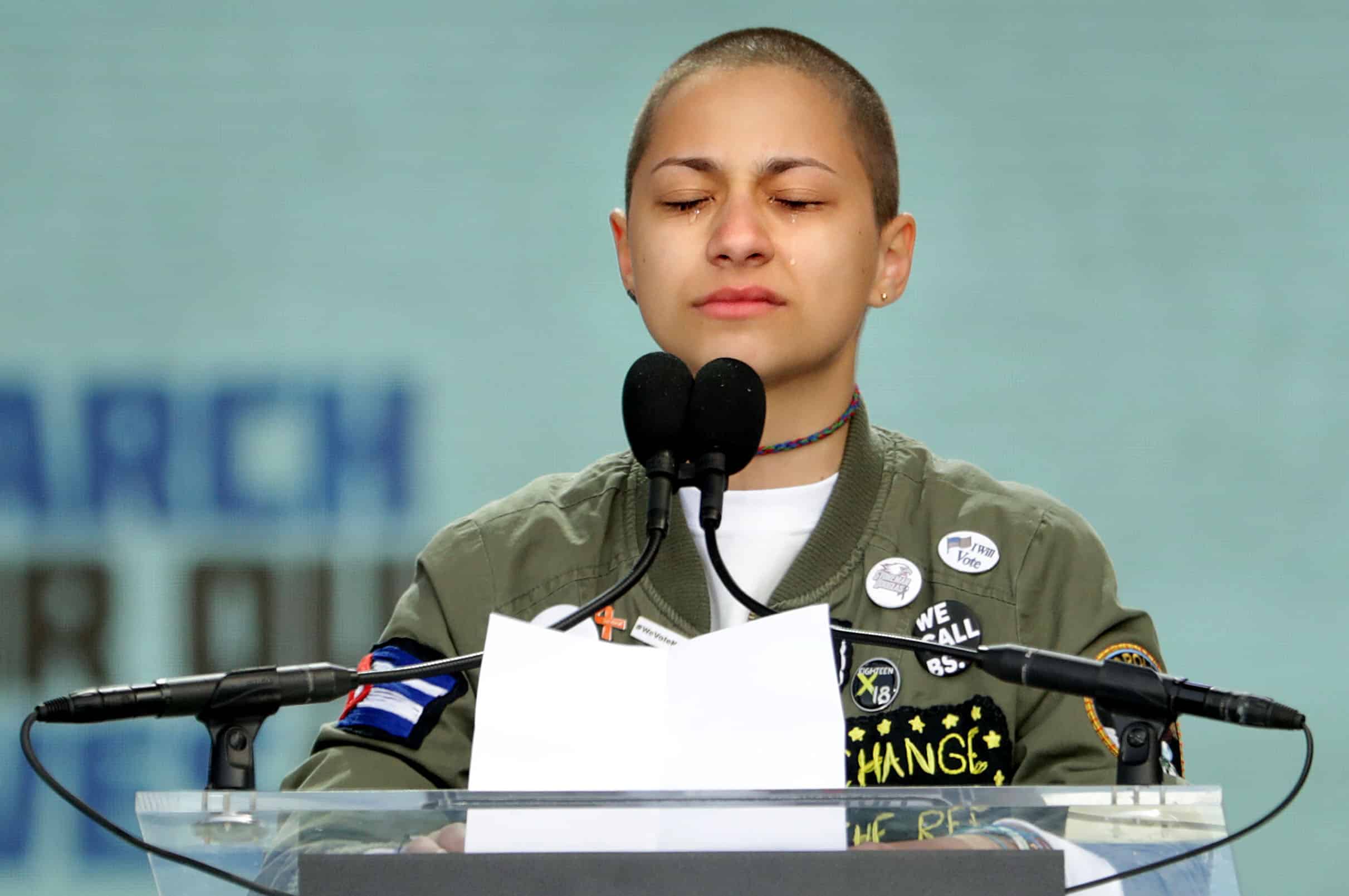
The youngsters of March For Our Lives organized their biggest action in March 2018: the March For Our Lives in Washington, D.C. Millions of people were inspired. Hundreds of thousands showed up at the march on Pennsylvania Avenue, and more than 800 sister marchesemerged in all 50 US states and around the globe. Each one called for a peaceful solution to ensure safer schools and communities.
March For Our Lives could count on a broad base. What started out as a global cry for a safer future turned into a well-defined youth-led movement. The heart of the organization now consists of more than 20 young people who manage more than 1200 local teams from a central office.
The Road to Change
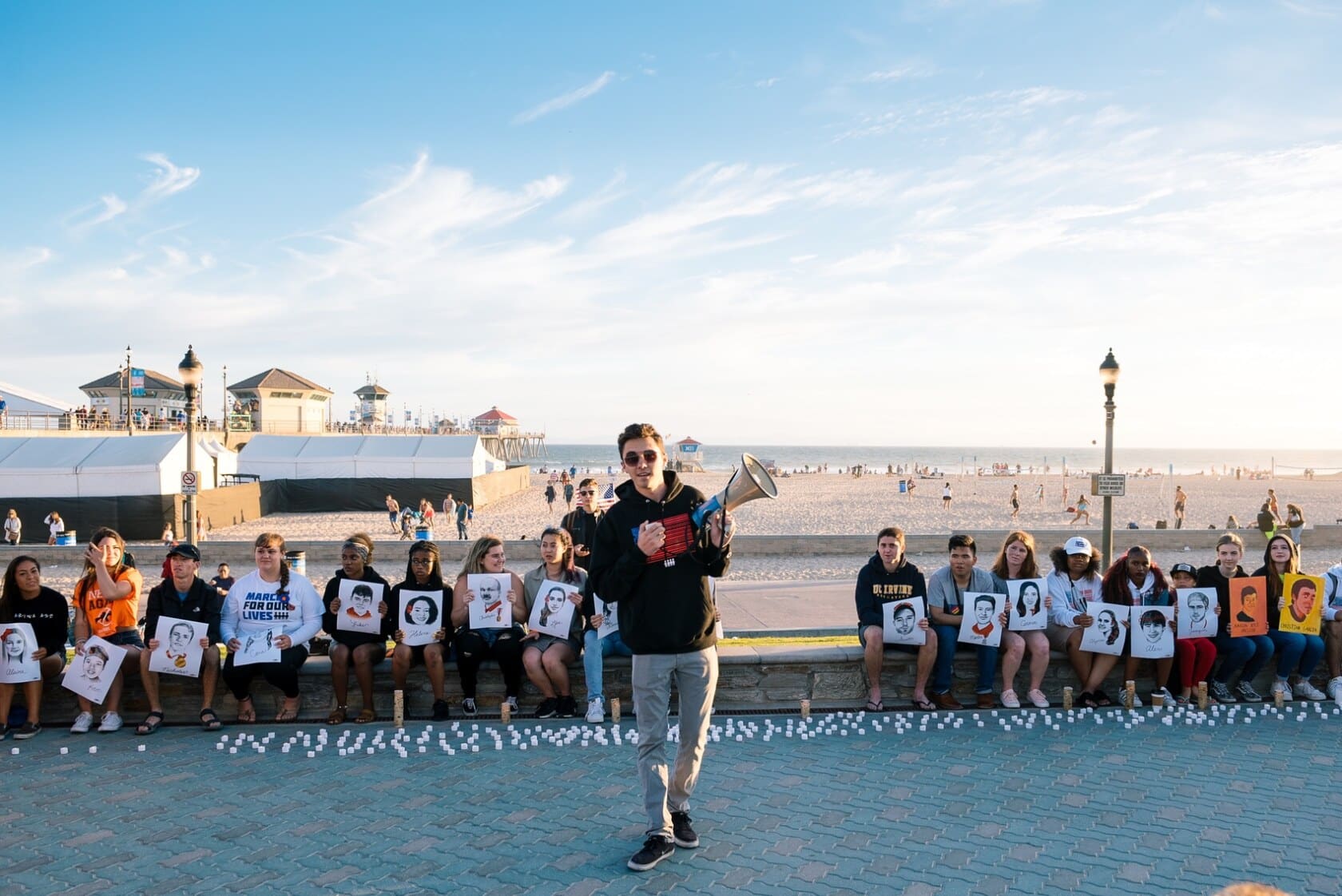
To safeguard their future, it is vital for young people to be heard. It became March For Our Lives’ mission to get young people out to vote and to force high level decision-makers to listen. On their Road to Change tour through the US, they visited communities affected by gun violence to talk about solutions. They held town rallies and voter-registration events, and they spoke with local politicians, the media, and families of victims of gun violence. They went door-to-door to spread their message and motivate young people to vote. It worked.
Together with members of other youth-led organizations, March For Our Lives visited more than 80 communities in 2 months and registered at least 10,000 voters. But according to the students, the impact of their tour can’t be measured in numbers alone. They have seen young people learn to make their voice heard, find a purpose in their community, and even run for office. Politicians, the media and the public have started listening to the next generation