
2005, Nkosi Johnson (12), South Africa
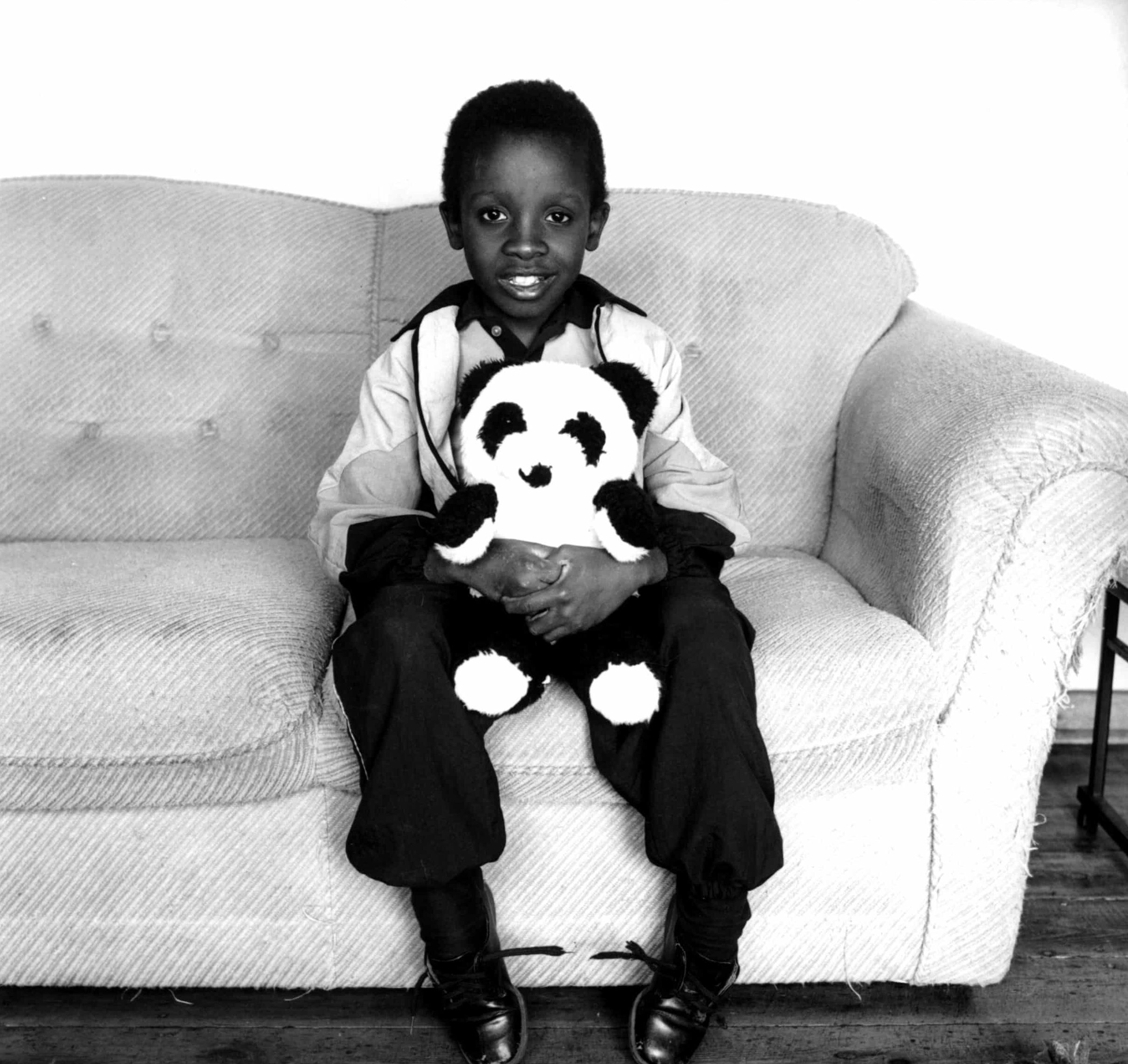
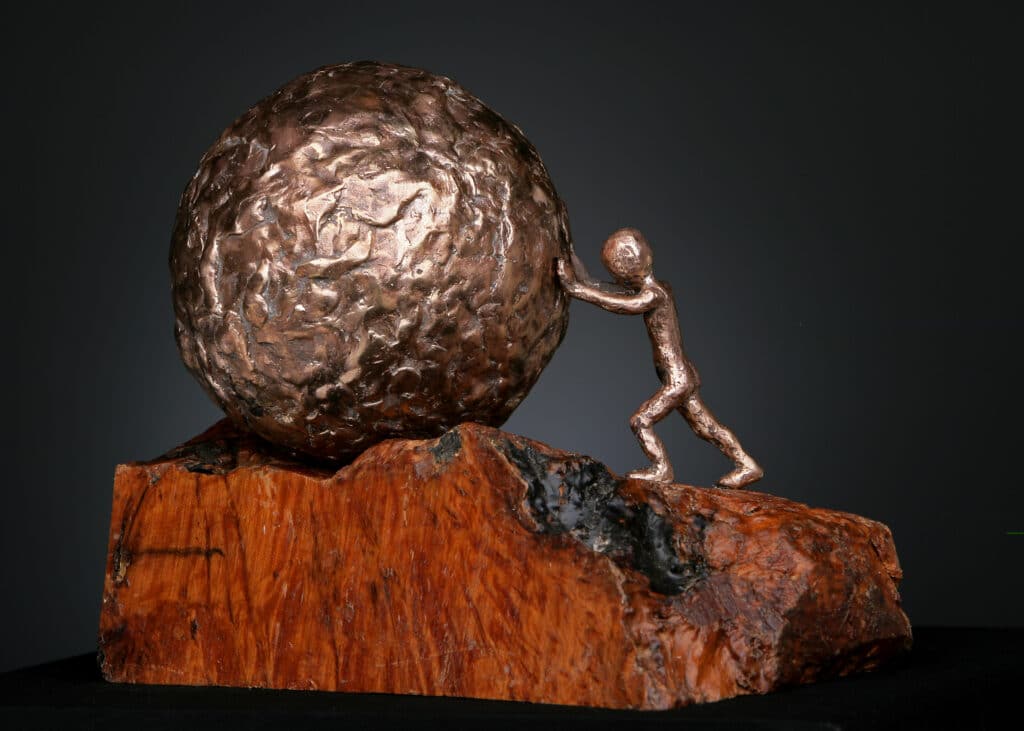
Nkosi was the first winner of the International Children’s Peace Prize. The prize was posthumously dedicated to him in 2005 and the statuette was named after him. The ‘Nkosi’, a statuette of a child that sets the world in motion, is awarded annually to the winner of the International Children’s Peace Prize
Going to school
When Nkosi reached the age to go to school, he was not admitted because of his HIV infection. Gail was already expecting problems when she checked that Nkosi was HIV positive on the application form, but she did not want to lie about it.
“I knew there would be trouble, but I thought, rather now than in six months. There was a lot of fear and not much knowledge about AIDS. There were no guidelines for school, for parents, nothing. The parents protested, because they did not want a child with AIDS in their child’s class.” Aldus Gail Johnson.
As a result of this event, Gail organized a workshop to teach both, the school and the parents, that they do not have to be afraid of a child with AIDS. Nkosi and Gail were instantly known in South Africa. They gave interviews every day for a week and Nkosi was spoken about in the Parliament. Ultimately, the court determined that schools cannot refuse children on medical grounds. It is a milestone for all children with the virus. From that moment on, Nkosi started to speak publicly about his illness. In these years there was hardly any knowledge about AIDS and HIV. Nkosi taught people what it was like to have AIDS by telling them about it.
Nkosi’s actions
AIDS Conference Durban
On 9 July 2000, Nkosi spoke to tens of thousands of peopleat the Aids Conference in Durban. More than 60 million people worldwide watched and listened. To this day, he personifies the disease HIV / AIDS. He has given the disease a face. During his speech he asked people to treat people with AIDS as normal people. He fought for this until the day he died. Together with his adoptive mother Gail Johnson, he made sure that HIV positive children could go to school, just like all other children. He committed himself to enabling health care and medication for pregnant HIV-positive women so that the virus would not be passed on to their child.
He would have preferred to continue his actions for years to come. At the age of 12, less than a year after his impressive speech in Durban, Nkosi unfortunately lost his battle with the debilitating disease. “He would have loved to travel the world and inform people about AIDS.” – Gail Johnson
Nkosi’s Harbor
Nkosi has experienced what it is like to live separately from your own mother, he has often missed her. That’s why his dream project was founded in 1999, Nkosi’s Haven, a shelter for mothers and their children. Nkosi’s Haven was established by Nkosi and Gail, who is still the director. It guarantees vulnerable mothers with HIV / AIDS and their children a safe home. Nkosi’s Haven gives mothers and children the opportunity to continue their lives together, even if the mother is too ill to take care of her children.
On the day of the opening of Nkosi’s Haven in 1999, Gail and Nkosi were invited to the official residence of President Mandela in Houghton, Johannesburg. “Nkosi enjoyed meeting the president,” Gail says. “Madiba wrote a cheque for the Haven and gave us his book Long Walk to Freedom. He asked Nkosi what he wanted to be when he grew up. Nkosi took his time to think about it and then said he did not know. So then Mandela asked him if he would want his job. Nkosi answered immediately. “No thank you sir, it looks like too much work for me.” The president burst out laughing and has since repeated this story on numerous occasions.”
Gail keeps fighting against the discrimination of people and children who are infected with HIV / AIDS. “Nkosi gave AIDS a human face in Africa, and in the rest of the world, there is no doubt about that. And he gave it a voice. The virus got the better of him. But his voice was not silenced; people still talk about him. We do his work, we talk his talk, we live his dream. I hope to continue this work in his spirit for a long time.”
"Care about us too and accept us – we are all human beings. We are normal. We have hands. We have feet. We can walk, we can talk, we have needs, just like everyone else – we are all the same!"
- NKOSI JOHNSON, 2005 INTERNATIONAL CHILDREN'S PEACE PRIZE WINNER
Help young changemakers like Nkosi
Somewhere in the world, a young person is standing up for others. Your support helps their voice reach further and their impact grow.