
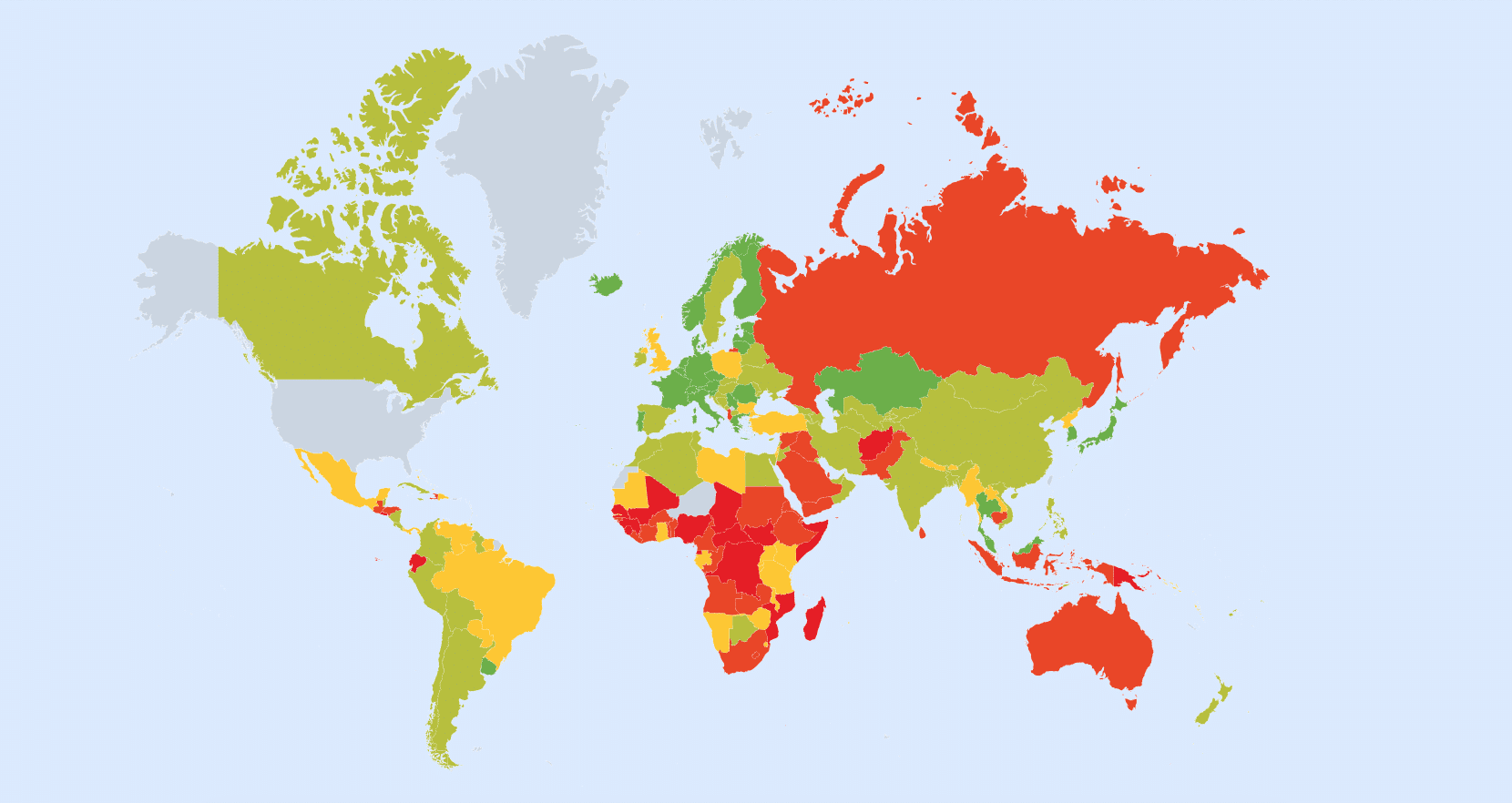
The KidsRights Index is the world’s first and only annual global ranking that systematically measures respect for children’s rights across 194 countries. Produced by KidsRights in cooperation with Erasmus University Rotterdam, the Index assesses countries across five domains: life, health, education, protection, and the enabling
environment for children’s rights.
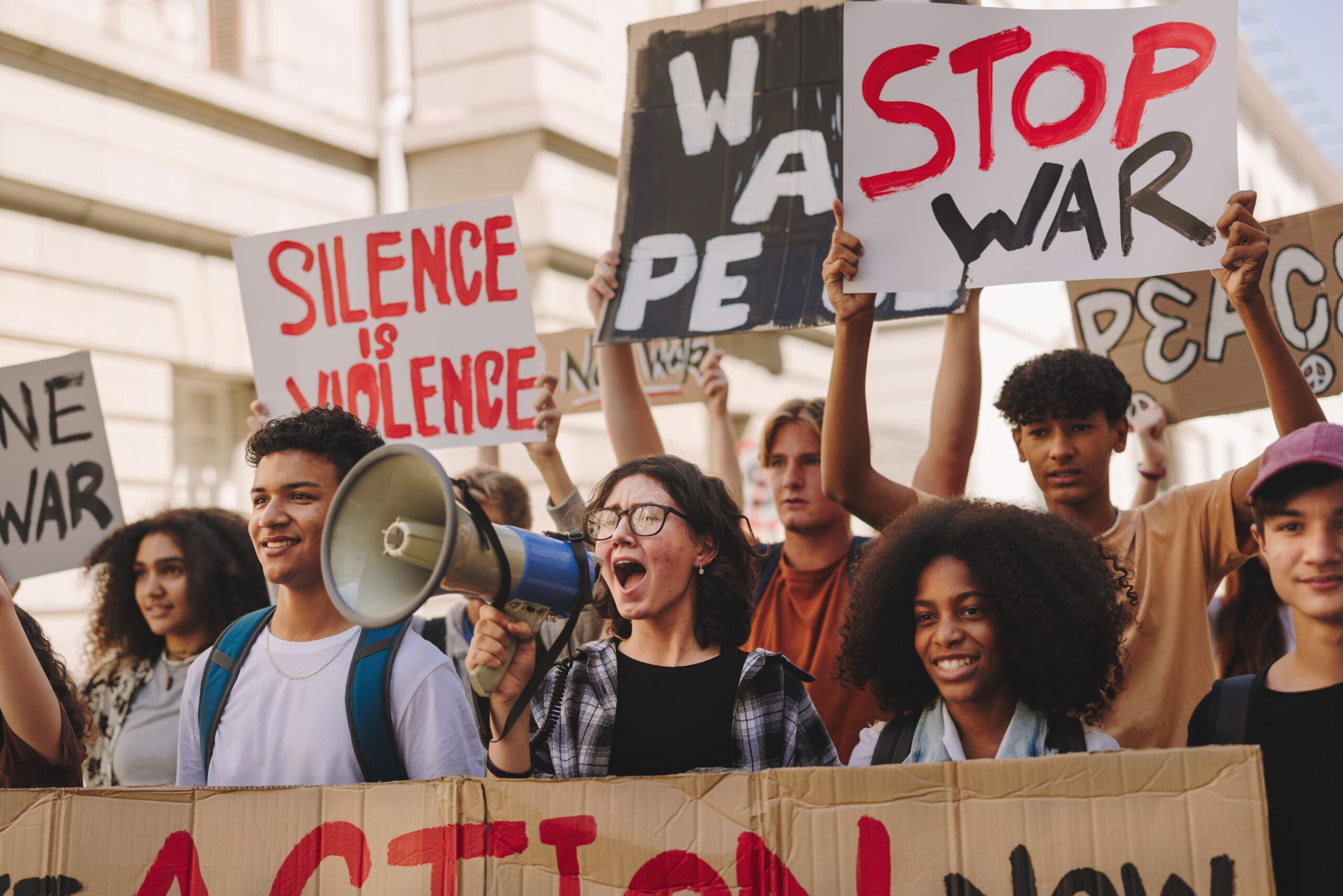
KidsRights Index 2026 summarized: Children increasingly used as weapons of war and obesity reaches epidemic levels
Children’s rights are increasingly under pressure across the globe, according to the KidsRights Index 2026 released today by KidsRights in cooperation with Erasmus University Rotterdam.
The annual index, which measures children’s rights in 194 countries, reveals a global decline in safeguarding and protecting children’s rights, driven by escalating armed conflict, a sharp rise in conflict-related sexual violence against children, and a global childhood obesity epidemic.
The report shows that progress on implementing children’s rights is slowing or reversing across much of the world. Only five countries improved their cluster position in this year’s Index, while thirty-one countries declined. At the same time, the number of countries in the highest-performing group fell by 30% compared with 2025, highlighting the scale of the global decline.
“Children are increasingly exposed to risks they did not create and cannot control”, said Marc Dullaert, Founder and Chairman of KidsRights. “Whether children are growing up in the shadow of war or in environments that undermine their health, the result is the same: their rights, wellbeing and future opportunities are being put at risk. The world is failing to provide children with the protection they are entitled to.”
Whether children are growing up in the shadow of war or in environments that undermine their health, the result is the same: their rights, wellbeing and future opportunities are being put at risk. The world is failing to provide children with the protection they are entitled to.
Marc Dullaert, Founder and Chairman of KidsRights
Children increasingly under attack in armed conflicts
One of the most alarming findings in this year’s Index is the worsening impact of armed conflict on children. Across conflict zones worldwide, conflict-related sexual violence against children increased by 35% since 2024. Children are also increasingly being deliberately targeted and exploited as part of warfare, including through recruitment and other grave violations against children.
Key findings include:
- More than one in five children worldwide face the direct impact of an armed conflict;
- *69%* of child casualties in armed conflicts are caused by explosive weapons;
- Armed conflicts contribute to an estimated *70%* of global food insecurity, putting the lives of millions of children at risk;
- In Sudan alone, an estimated *825,000* children under the age of five are expected to face severe acute malnutrition in 2026.
“Conflict is not only destroying children’s lives today – it is undermining their futures,” said Dullaert. “When schools are targeted, healthcare systems collapse and families are displaced, children lose far more than safety. They lose stability, opportunity and hope.”
KidsRights calls on governments, international institutions and all parties to conflict to uphold their obligations under international law, strengthen protection for children in conflict settings, ensure accountability for grave violations against children, safeguard access to education, healthcare and nutrition, and address the growing impact of conflict-driven food insecurity.
When schools are targeted, healthcare systems collapse and families are displaced, children lose far more than safety. They lose stability, opportunity and hope.
Marc Dullaert, Founder and Chairman of KidsRights
Childhood obesity reaches epidemic proportions worldwide
For the first time in history, obesity among children and adolescents aged 5 to 19 exceeds underweight globally. Childhood obesity has become a global epidemic, affecting children in every region of the world. Once considered primarily a challenge in high-income countries, rising rates of overweight and obesity are now increasingly seen in low- and middle-income countries, highlighting the worldwide scale of the crisis. The highest prevalence is reported in Latin America and the Caribbean and the Middle East and North Africa.
According to the report:
- 20% of children aged 5 to 19 are living with overweight;
- One in ten school-age children now lives with obesity;
- The number of overweight school-age children has more than doubled, rising from 194 million in 2000 to 391 million today;
KidsRights warns that children increasingly face a double burden of malnutrition: persistent undernutrition alongside rapidly rising obesity. Reflecting this trend, the Index now includes childhood overweight and obesity as official health indicators.
The report argues that childhood obesity is driven not only by individual choices, but also by unhealthy environments shaped by food marketing, ultra-processed products and limited opportunities for physical activity, and unequal access to affordable, nutritious food.
“When one in ten children is living with obesity, this is no longer simply about personal choices,” said Dullaert. “It reflects environments that are failing children. Governments have a responsibility to protect children’s health by addressing the systems that drive unhealthy outcomes.”
KidsRights is calling on governments to adopt a child rights-based approach by regulating the marketing of unhealthy food to children, addressing barriers to affordable and nutritious food, investing in healthier living environments and creating greater opportunities for physical activity.
About the KidsRights Index
More news
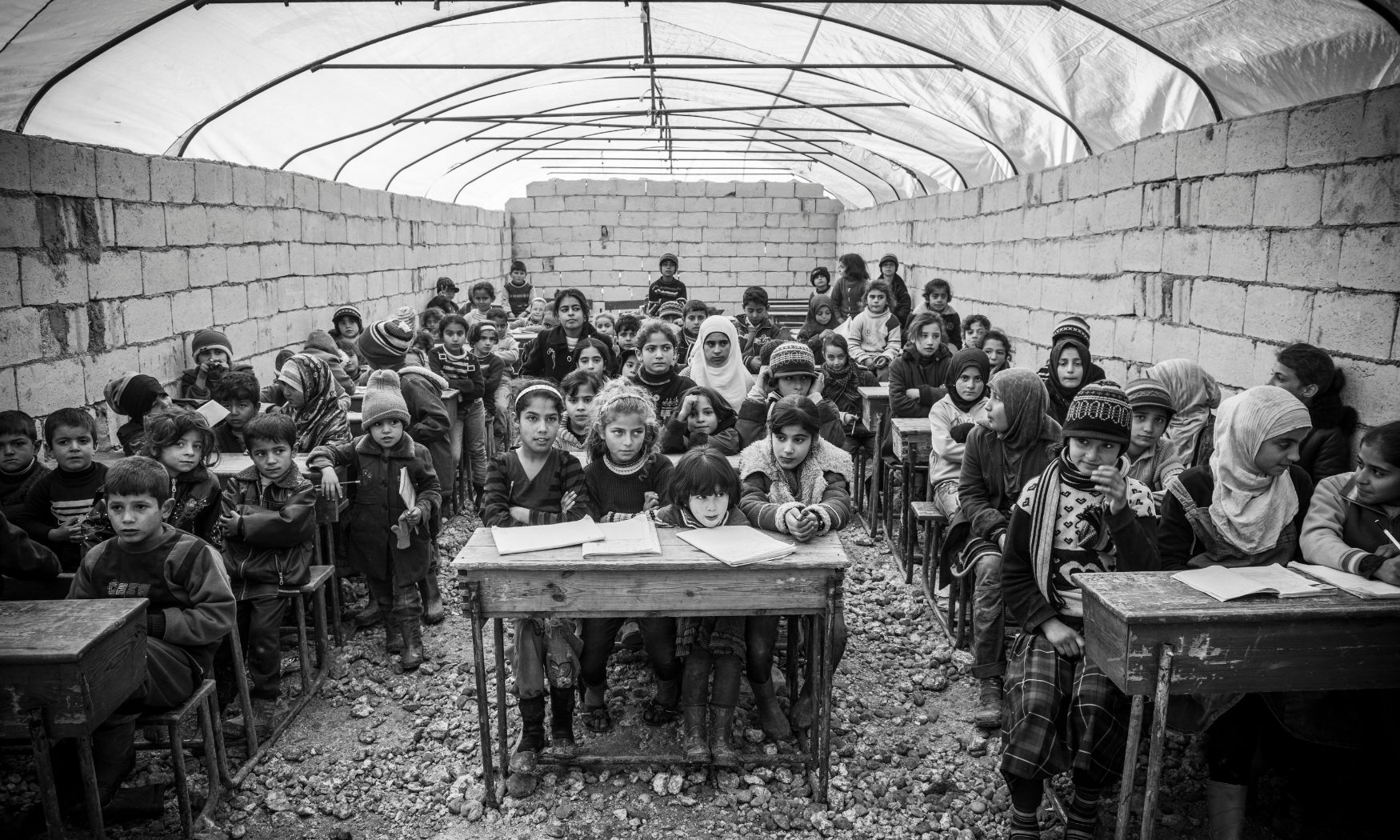
One in five children is growing up within range of a war zone
A KidsRights longread on what conflict really does to childhood.
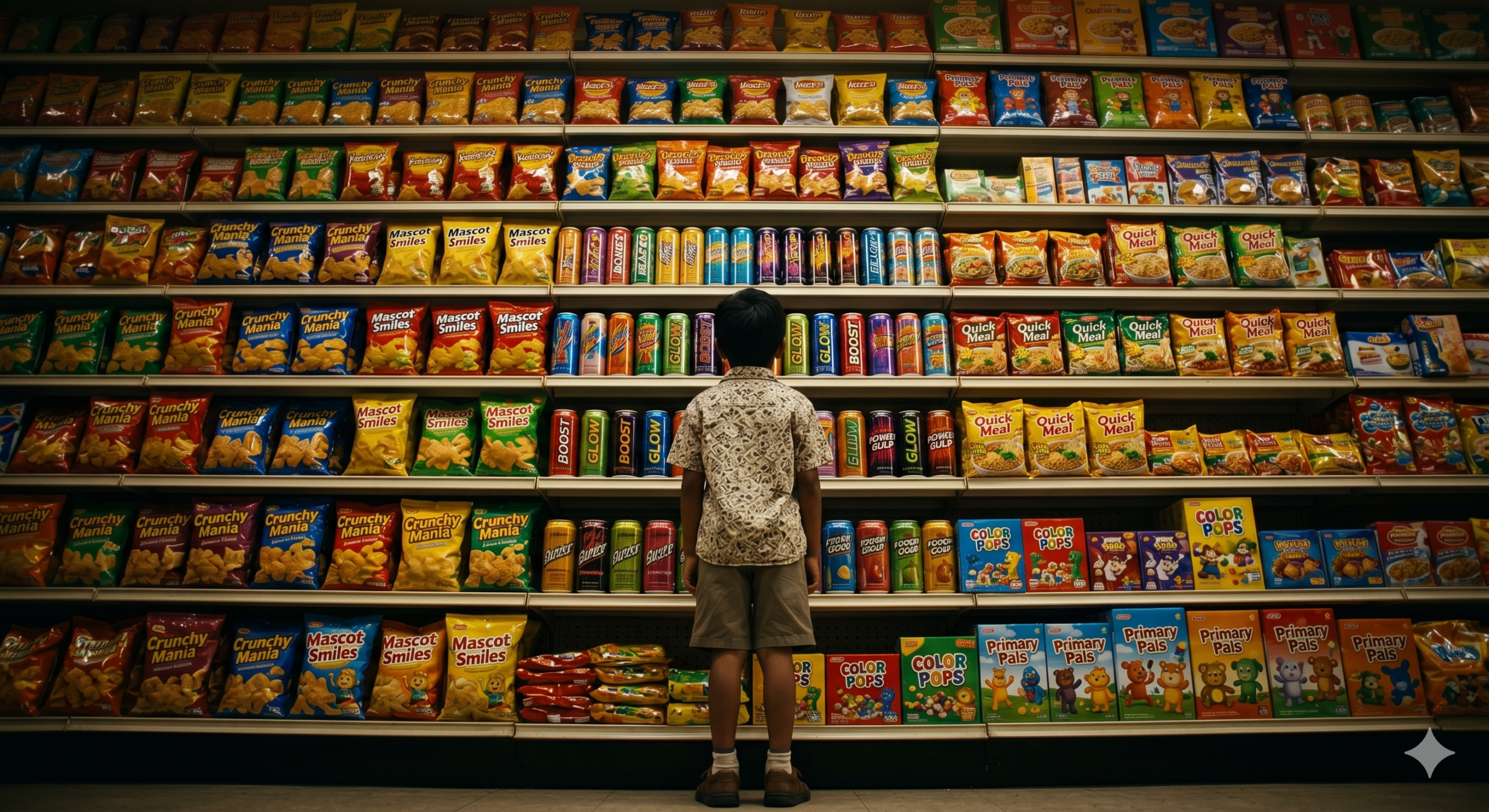
Childhood obesity becomes a global epidemic
A KidsRight longread on the childhood obesity crisis the world keeps ignoring. Because for the first time in history, more children worldwide are living with obesity than with underweight. It is a milestone that should have made front pages everywhere. It largely did not.
Apply Now! State of Youth Changemaking Funding Call for Mental Health
We are excited to announce that we are accepting applications for the 'Changemaking Call for projects strengthening children's and youth mental health' exclusively for State of Youth Chapters fully registered in the Movement Platform. This Changemaking Call is financially supported by Kinderpostzegels. Read more to find out how you can apply!