
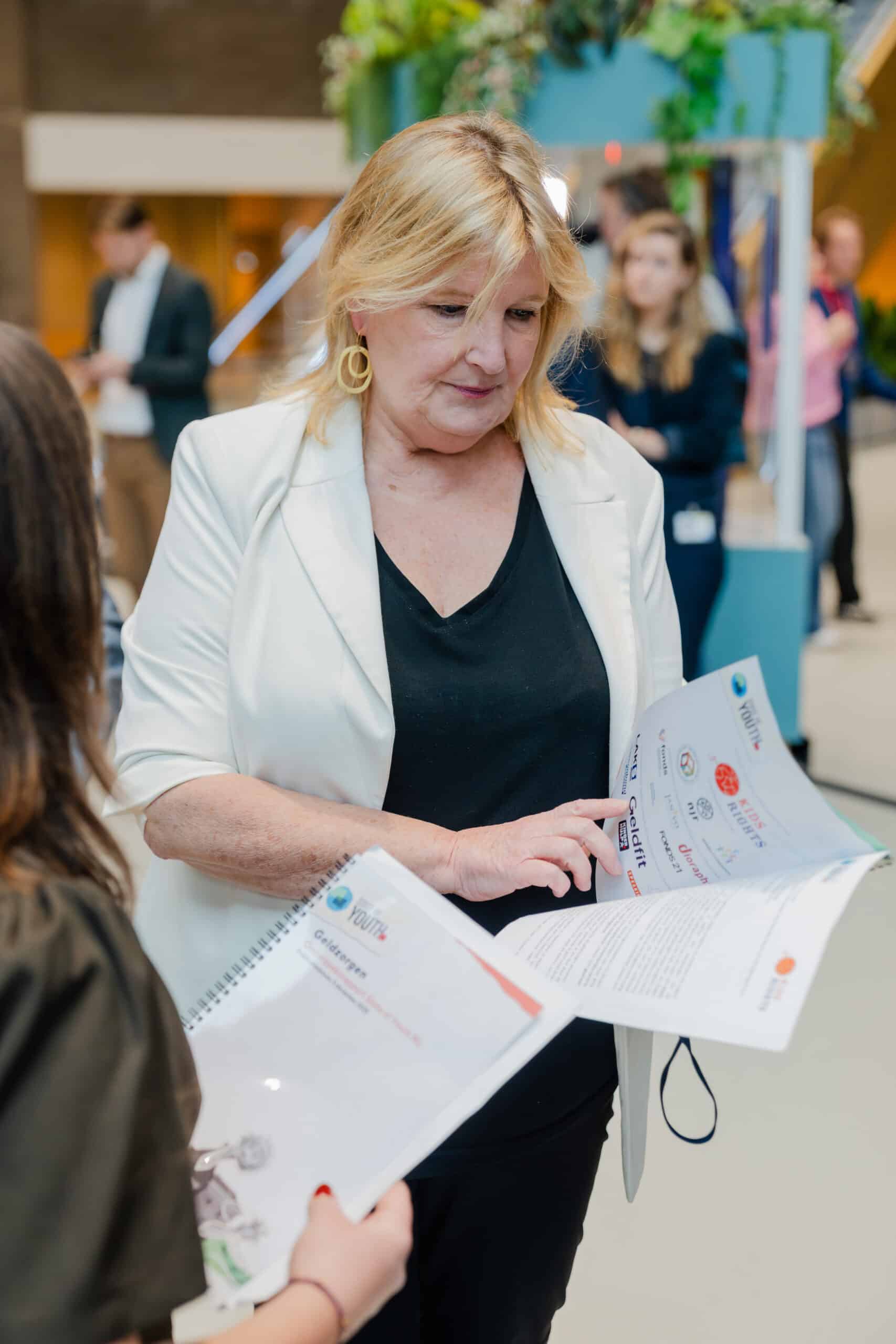
State of Youth NL Research Report: Financial worries are a problem for 81% of Dutch young people
AMSTERDAM, December 3, 2025 – Financial worries are a significant and pressing problem for many young people. Eighty-one percent of Dutch young people experience financial worries. As a result, young people
worry about their future, feel stressed and insecure, and struggle with feelings of shame and
guilt. These and other findings are revealed in a recent study by State of
Youth NL, an initiative of KidsRights in collaboration with its core partners, the National
Youth Council (NJR), Maatschappelijke Diensttijd (MDT), and the Augeo Foundation.
In this representative survey, 3,004 young people and young adults are now making their voices heard
themselves. Marc Dullaert, chair of KidsRights, calls on the parties forming the national government: ‘It is
deeply distressing that so many Dutch young people have financial worries. The political parties forming the new government will have to offer young people economic security so that they can afford to
live, find housing, work, and study. Because a country that does not help its young people move forward has
no future of its own.”
State of Youth NL’s survey on financial worries began on August 27 and ran
through October 25. Thousands of young people between the ages of 12 and 29 participated in this survey, which is representative in terms of age, gender, education level, and province.
Causes of financial worries
Two-thirds (64%) of young people sometimes struggle to make ends meet each month, and 14% struggle (almost) every month, according to the study. This struggle is particularly common from the age of 18, when independence and fixed expenses increase. Of the even larger group of 81% who sometimes worry about money, women and young people between the ages of 18 and 24 feel this pressure most acutely.
Financial worries also stem from impulsive behavior. Young people sometimes spend (in hindsight) more money than they intended when they make impulsive purchases (48%), buy things to feel better (36%), or want to keep up with others (31%). One of the respondents therefore calls on the government to “take action against misleading advertisements and other unethical tactics used by companies to influence people to spend more.” A timely call just after Black Friday and Cyber Monday and in the run-up to the holidays.
Young people are most concerned about money when they think about their future (50%) or receive unexpected bills (40%). In the survey, respondents reflected on moments when they experienced financial worries. One young person said: “When I see house prices or when I see how expensive groceries are at the supermarket.” Another young person said: “When I have to borrow money to make ends meet and see the interest piling up on my student loan, and I can’t pay off my student loan yet.”
Young people and young adults report that financial worries cause them to experience stress (60%), feel insecure (43%), feel guilty (34%), and feel ashamed (29%). One young person in the study: “Just before I fell asleep, the fear that things would never get better or would only get worse and that I’d always be stuck in that same cycle of not having enough money—it made me feel anxious and restless.” Young people who have their finances in order experience fewer negative feelings.
Develop policies that address what young people truly need NJR Chair Lotte Prins: “Young people should be able to focus on their dreams and future plans, not on the fear of whether they’ll make ends meet this month. The fact that so many young people constantly feel stress and uncertainty due to financial worries is not only concerning but also a sign that we, as a society, are falling short. It is time for policy, education, and support to truly align with what young people need, so that no one is left to fend for themselves.’
Lecturer and researcher Paula Smith (University of Amsterdam, Inholland University of Applied Sciences), an expert on youth participation in preventing youth debt and financial stress: “More and more young people are struggling financially and feel personally responsible for it. Young people feel that they themselves have the most influence over their financial situation, but that belief also makes them vulnerable to debt and shame. If we as a society truly want to make a difference, then we must absolve them of blame and start approaching money problems as a social issue—not as a personal failure. That requires a critical understanding of the social systems that influence their financial choices.”
Solutions to Financial Worries
State of Youth NL asks young people to help brainstorm solutions to the problems they face. When it comes to financial worries, it is also essential to actively involve young people themselves in alleviating this financial pressure. When asked who influences the financial worries young people experience, 64% cited young people themselves and 62% cited the government. According to young people, parents and caregivers (51%), schools (27%), and employers (24%) can also play a role.
Young people believe the government can contribute to the solution by providing more subsidies for housing and education (65%), lowering or eliminating tuition fees (58%), offering a better program for repaying student debt (54%), providing better information about available assistance, tools, and coaches (47%), and using simpler language when discussing financial matters (46%).
Young people indicate that they want to learn to say no when they can’t afford something (63%), to avoid pressuring each other to participate in social activities (58%), and to talk more about money to break the taboo (57%). In the survey, young people also indicate that it helps if they themselves: keep track of their expenses (41%), buy fewer unnecessary things (38%), especially if they can’t afford them (63%), and work extra hours (31%.
According to young people, parents can offer advice on money and budgeting (67%), explain financial matters (63%), make financial issues open for discussion and thus break the taboo (62%), and teach young people how to budget (54%).
According to young people, schools can provide education on financial matters (79%), offer cheaper or free meals in the cafeteria (53%), and provide free after-school activities (42%). It is clear that knowledge is crucial for getting financial matters in order. Young people believe that employers can help alleviate financial worries by raising salaries (72%), offering or increasing internship stipends (59%), providing better working conditions (57%) and offering permanent contracts sooner (40%).
Rationale and urgency of the study, international law
In the previous study by State of Youth NL on performance pressure and social well-being, young people most frequently cited financial worries as the most urgent issue to address. Studies by NiNbud, Deloitte, and Leiden University (2025) make it clear that the financial health of young people and young adults deteriorated last year. As inflation rises, they have benefited less from wage increases. Surveys by the Ministry of Social Affairs and EmploYment and Geldfit (2024) show that more than half of young people occasionally have unpaid bills or payment arrears.
The findings of this study are at odds with the United Nations’ (UN) Sustainable Development Goals (SDGs), in particular SDG 1 (No Poverty) and, among others, Article 26 of the International Convention on the Rights of the Child, which concerns social security. Resolving these and other issues is impossible without closely involving young people. Youth participation is also enshrined in the Convention on the Rights of the Child (Articles 12 and 13). Young people in the Netherlands give an average score of 4.2 on a scale of 0 to 10 for how well they feel their voices are heard, according to research by State of Youth NL.
About State of Youth NL, partners, and sponsors
State of Youth NL is the leading voice of the new generation: a unique, representative online youth panel for Dutch young people, with a mission to represent and amplify the voices of all young people in the Netherlands. For this study, State of Youth NL collaborated with Abbi
Insights and, for the representative sample, with Motivaction. This study would not have been possible without the participation of young people and the financial support of Vfonds, Fonds21, the Janivo Foundation, Dioraphte, the Boschuysen Foundation, and the core partners MDT and the Augeo Foundation.
More news
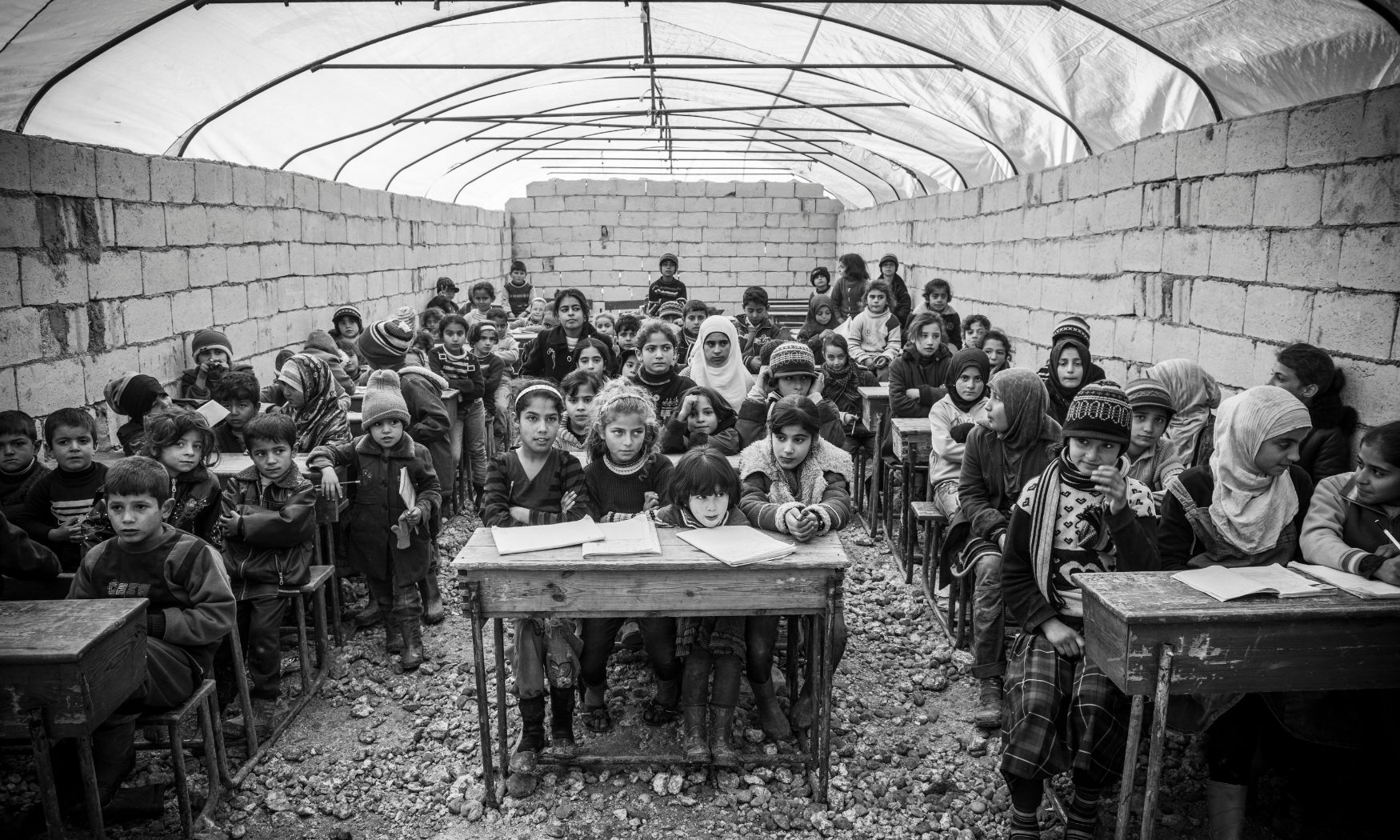
One in five children is growing up within range of a war zone
A KidsRights longread on what conflict really does to childhood.
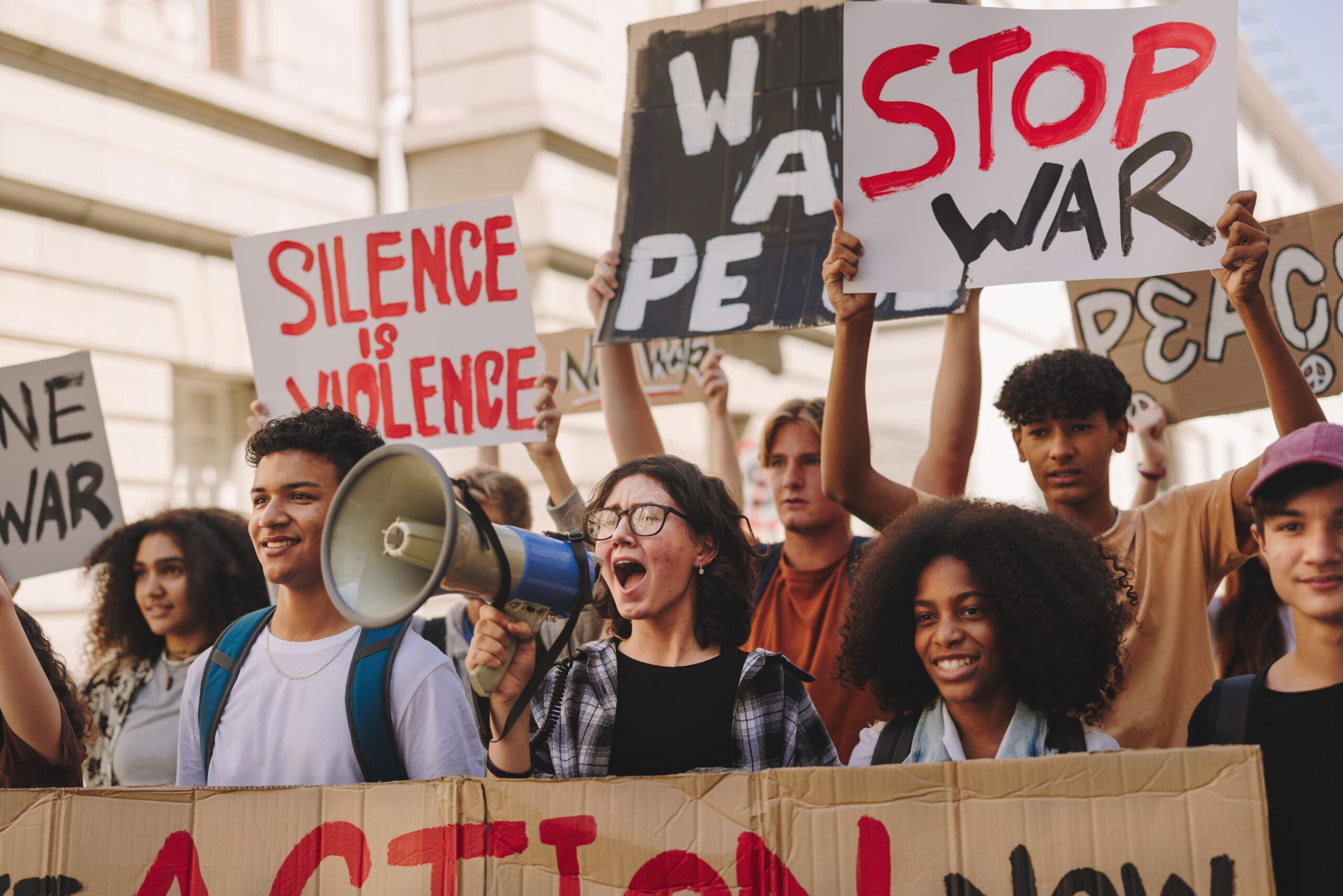
KidsRights Index 2026 summarized: Children increasingly used as weapons of war and obesity reaches epidemic levels
KidsRights Index 2026 reveals a growing global child rights crisis as conflict-related sexual violence against children rises by 35% since 2024, children are increasingly targeted as part of warfare, and childhood obesity reaches epidemic proportions worldwide.

Childhood obesity becomes a global epidemic
A KidsRight longread on the childhood obesity crisis the world keeps ignoring. Because for the first time in history, more children worldwide are living with obesity than with underweight. It is a milestone that should have made front pages everywhere. It largely did not.