
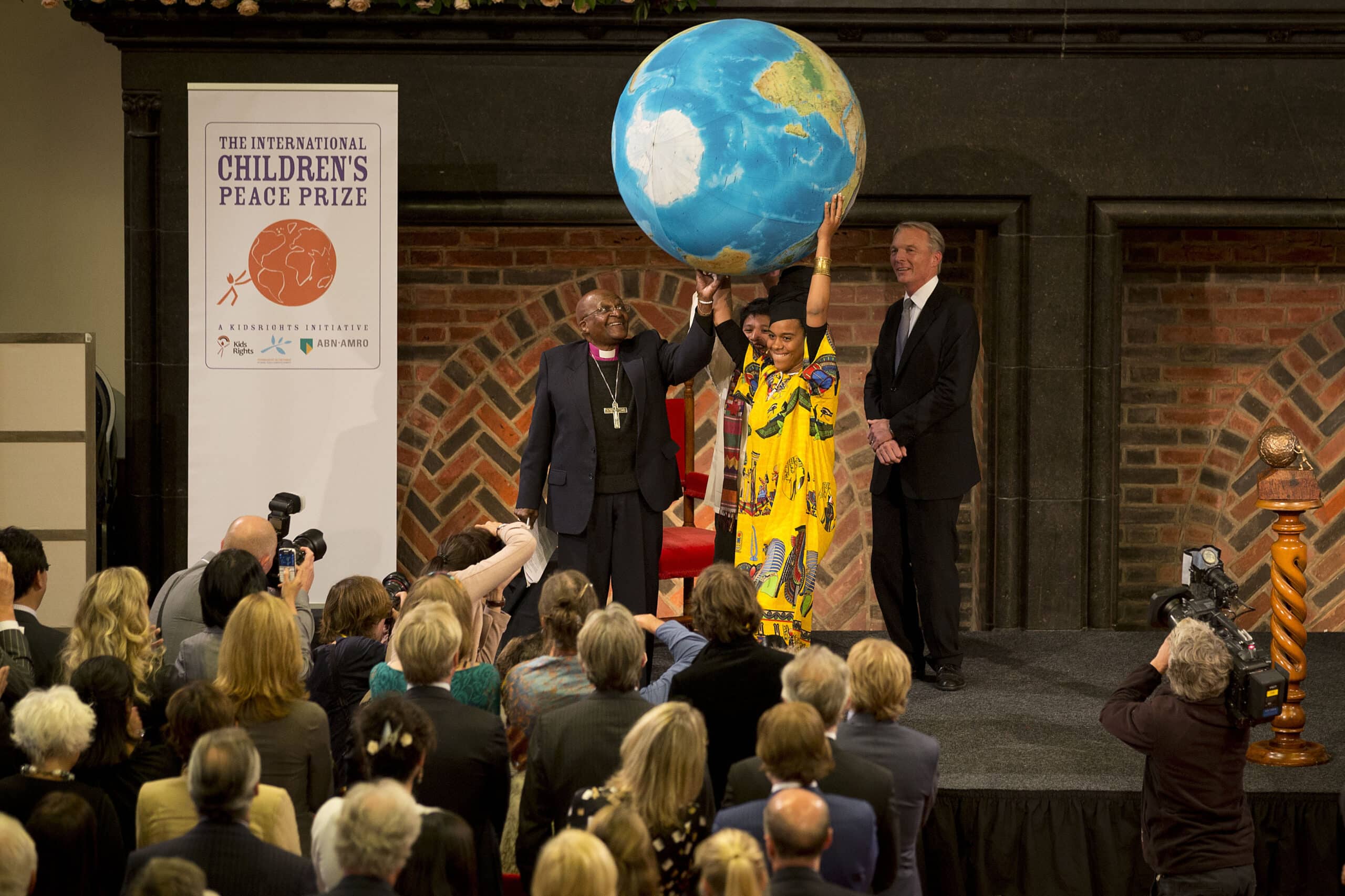
2008, Mayra Avellar Neves (17), Brazil

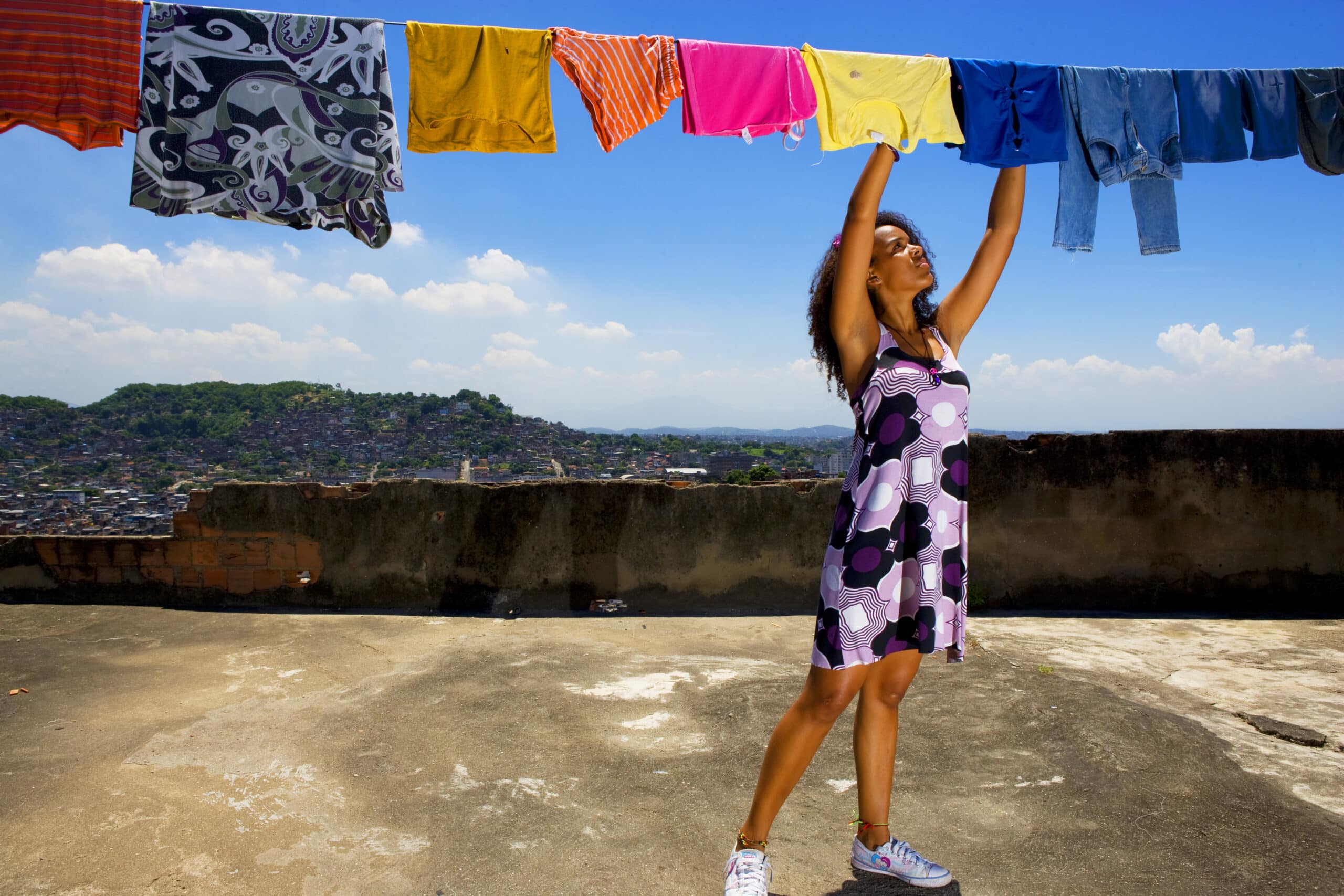
Mayra grew up in one of the poorest favelas of Rio de Janeiro in Brazil. A favela is a Brazilian slum. The favela where Mayra grew up in was very violent, with many shootings between drug cartels and the local police, and children are forced to join the fight or become victims of the violence. This costs thousands of lives every year.

Most residents of the favelas have accepted the situation as it is, and do not believe that change is possible. Mayra disagrees. She was 11 years old when the favela become so dangerous that it could only be entered via armed checkpoints. This resulted in the forced closure of schools and clinics, as teachers and doctors who did not live in the slums were not allowed to enter anymore. Drug trafficking increased in the favela, and so did the presence of the heavily armed police. Most children could no longer go to school.

Mayra believes that everyone should play a role in improving human rights, especially the rights of children, as they are the future generation. Rich or poor, politician or farmer, man or woman, young or old – it doesn’t matter. We can and must stand up and make a difference for vulnerable children whose rights are neglected and whose lives are at stake. Every child has the right to a safe environment and every child should have the opportunity to go to school.

screenshot1

Mayra’s actions

Mayra could also no longer go to school. However, she did not accept this. Together with her mother, she went to another school and successfully claimed her right to education.

Peace march against violence

When Mayra was 15 years old, she mobilized hundreds of young people to participate in a peace march against violence. Their immediate demand was that the violence needed stop around the schools, especially when children were walking to and from school.
This required great courage as the march ran directly past many armed police patrols. They got a lot of media attention. And what is even more important: it’s having an effect. Mayra is satisfied: “We got the gangs and the police to stop firing in the hours that children go to school and parents go to work. Children are entitled to an education.”
Walk for peace

A year later, when Mayra was 16, she organized a ‘Walk for Peace’ to make Brazilian society aware of the social exclusion of children from the favela and to protest against the extreme violence in these slums. More than 300 young people from Mayra’s slum participated in this march. The march was aimed both at changing the minds of those outside the favela, and at raising awareness among the inhabitants of the favela that change will only come when they claim it.

After this, Mayra regularly organized similar meetings that attracted hundreds of young people from the favela. In addition, Mayra joined the theater group Favela Força, which means Favela Power, that shows the powerful and positive culture of the favela population. She also worked on a documentary about life in the favela, which was broadcast by a number of international television stations. With this documentary, Mayra wanted to show the power of young people in the favela and emphasize what they can do instead of what they cannot do to make a difference. A message that Mayra strongly believes in

"With education, you can break the cycle of poverty and violence."

- MAYRA AVELLAR NEVES, 2008 WINNER INTERNATIONAL CHILDREN'S PEACE PRIZE

Help young changemakers like Mayra

Somewhere in the world, a young person is standing up for others. Your support helps their voice reach further and their impact grow.

This site is registered on wpml.org as a development site. Switch to a production site key to remove this banner.