
2013, Malala Yousafzai (16), Pakistan
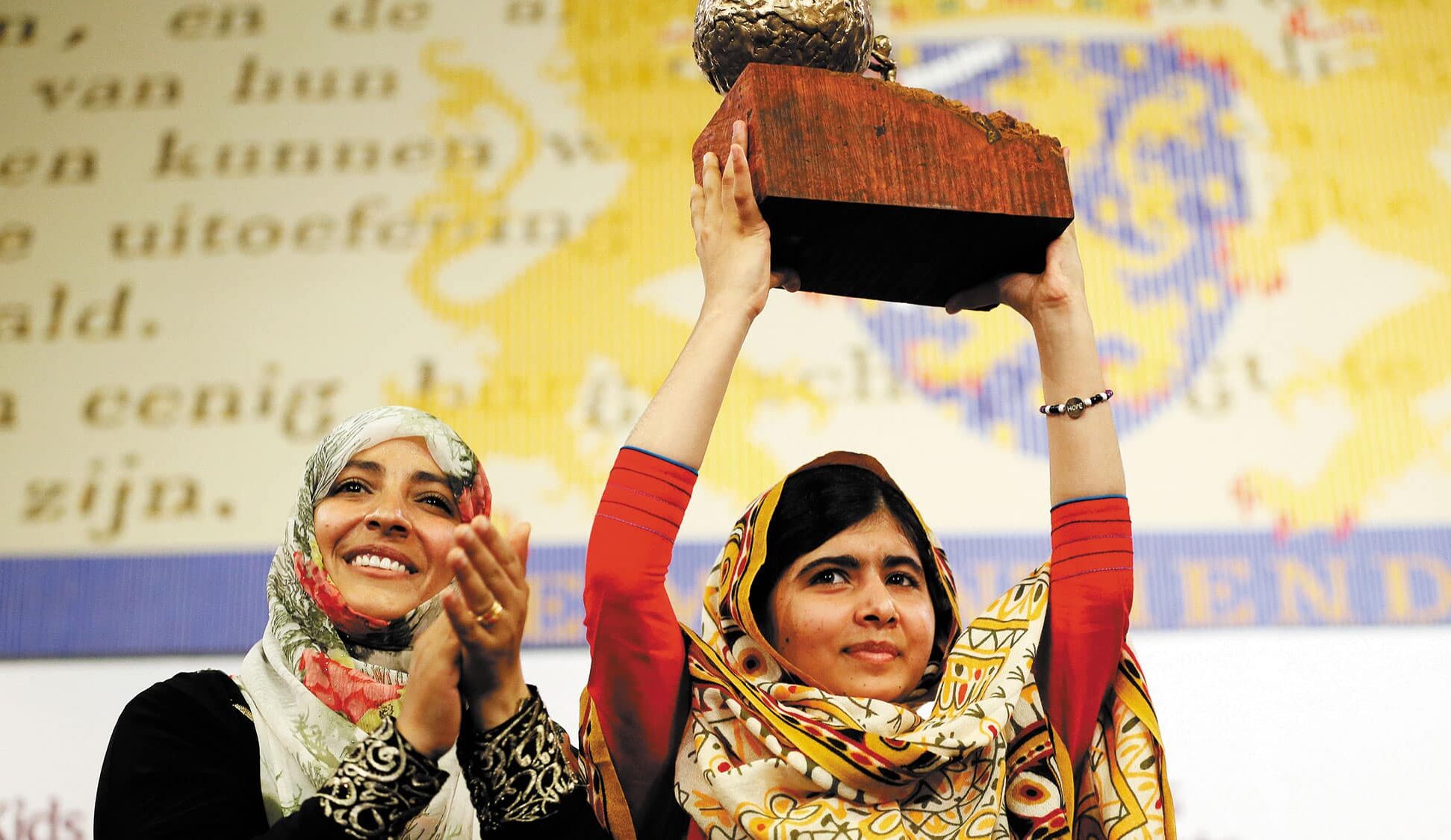
Malala is from Mingora, in northern Pakistan, where girls do not usually go to high school. But Malala loves learning. Encouraged by her father, who ran the local school, Malala broke with tradition and went to high school to continue her education.
Malala’s actions
Malala took part in a peace march organized by her school, and appeared on a BBC Urdu chat show. “I was really excited,” she said, ‘”because I knew that everyone in Pakistan could hear me, but that’s why I said: How dare the Taliban take away my basic right to education?” That is when she started writing a blog for the BBC. Writing under a pseudonym, she described her passion for learning and the oppression of the Taliban. Her blog was an inspiration to many.
Malala’s life is not safe because she goes to school.
Malala was nominated in 2011 for the International Children’s Peace Prize, in recognition of her bravery in speaking out for every girl’s right to an education. She did not win, but by now she was a global figure, invited to speak around the world. In October 2012, Taliban gunmen boarded her school bus, identified Malala, and shot her in the head.
Stop or continue?
Malala was brought to the United Kingdom, where she recovered from the attack and stayed with her family. In 2013, she was awarded the International Children’s Peace Prize and given a standing ovation in The Hague. Her resolve strengthened. “After the attack,” she said, “I only had two options: stop or continue my mission. And I decided to continue. That’s the only way I can see it; even death supports my mission and I mustn’t be afraid anymore.”
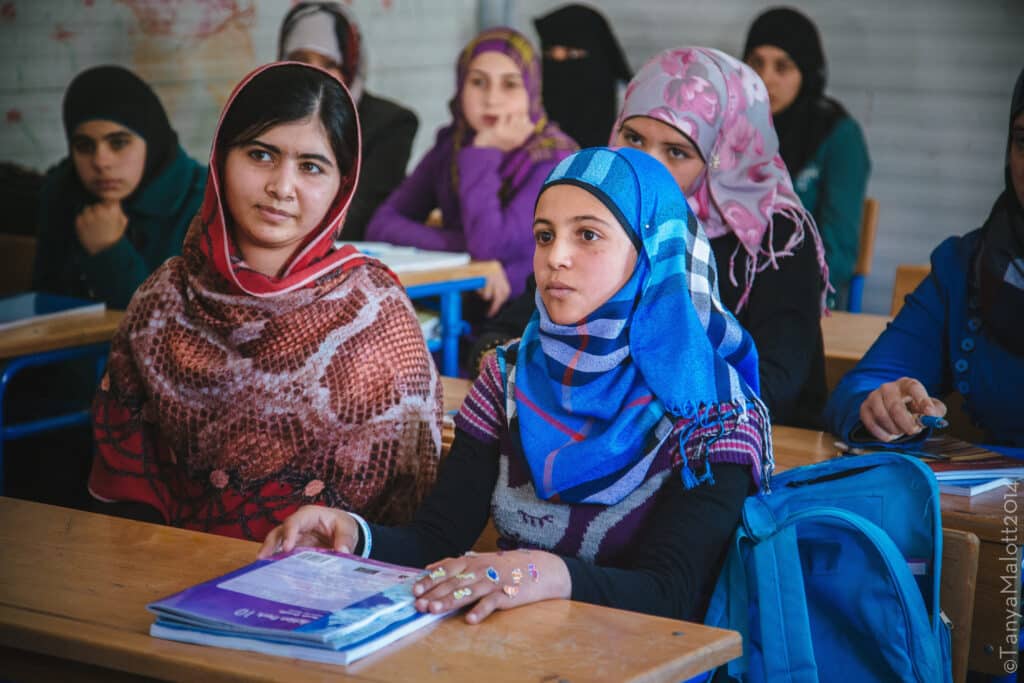
"I don't care if I have to sit on the floor at school. I want an education and I am not afraid of anyone."
- MALALA YOUSAFZAI, 2013 WINNER INTERNATIONAL CHILDREN'S PEACE PRIZE
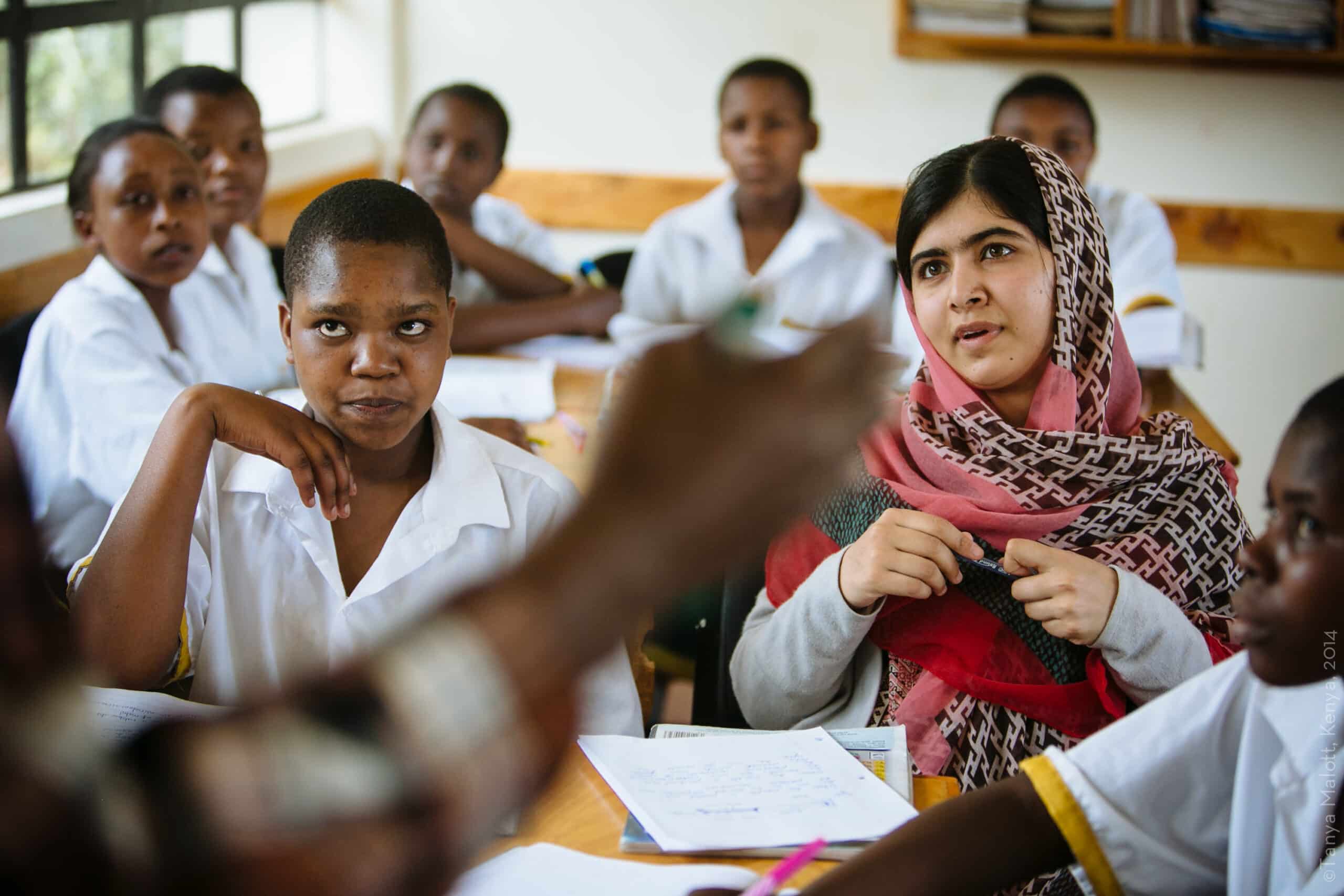
Help young changemakers like Malala
Somewhere in the world, a young person is standing up for others. Your support helps their voice reach further and their impact grow.