
Nav and Vihaan Agarwal – Children’s Climate Action & Circularity Initiative
Nav and Vihaan Agarwal's initiative embeds children across India in real waste and recycling systems, giving thousands of school-going children the hands-on access, voice, and agency to shape the environmental conditions that directly affect their daily lives.

In Delhi NCR and many other Indian cities, hazardous air pollution regularly forces schools to shift to hybrid or fully online learning when the Air Quality Index reaches severe levels. A significant share of that pollution comes from local sources, including the open burning of municipal solid waste and landfill fires that release toxic particulate matter into the air. The children most affected by these conditions are too often the children least involved in the decisions that shape them.
Nav and Vihaan Agarwal launched One Step Greener in 2020 as teenagers in Gurgaon, beginning with a school-led drive to collect and recycle dry waste from neighbourhood households. Since winning the International Children’s Peace Prize in 2021, the initiative has grown into a fully operating Material Recovery Facility serving more than 25,000 households and 500 schools and businesses across Delhi NCR. With support from the Desmond Tutu Study & Care Fund, both brothers were able to study at Stanford University, while continuing to lead OSG’s programmes and partnerships personally.
The Children’s Climate Action & Circularity Initiative is the next step in their work, moving beyond awareness and one-off school visits to permanent, child-accessible infrastructure embedded inside real waste systems. With the aim of expanding across five Indian cities — Delhi NCR, Jaipur, Chennai, Port Blair and Vrindavan — the initiative operates through three interconnected platforms: a Children’s Climate Action & Circularity Hub at OSG’s Material Recovery Facility, a Mobile Climate Outreach & Clean-up Vehicle, and a deployable Micro-MRF container for schools equipped with recycling and material-testing equipment.
At the Children’s Climate Action & Circularity Hub, school groups visit OSG’s Material Recovery Facility in scheduled batches, observing how waste is collected, sorted, baled, and prepared for recycling. Through interactive displays and guided dialogue, children connect the movement of discarded materials to air, water and soil quality. Each visit concludes with a reflective session in which children sign a pledge on the Children’s Charter Wall and are invited to join the Young Climate Volunteer network for sustained engagement beyond the visit.
The mobile outreach vehicle extends this engagement into low-income neighbourhoods and ecologically sensitive urban areas. Children identify waste hotspots from their daily routes, design outreach materials, and document the types and quantities of waste collected, sharing their findings through school assemblies and community noticeboards. The Micro-MRF unit rotates across Jaipur, Chennai, Port Blair and Vrindavan, giving students hands-on experience sorting, categorising and analysing their own school waste, tracking recovery rates, and developing recommendations to reduce waste streams in their communities.
Through these three platforms, the initiative moves children from passive recipients of environmental harm to active contributors within their communities, strengthening their ability to understand how civic systems function, voice concerns, and influence local environmental practices.
Key Moment from the Project
One of the most powerful moments of the Children’s Climate Action & Circularity Initiative is when students see — for the first time — how the waste they separate at school travels through collection, sorting and processing into something new. The realisation that their everyday choices connect directly to the air quality that closes their schools is both striking and galvanising. Children who sign the Charter Wall leave not as observers but as volunteers, many returning to join the Young Climate Volunteer pathway and carry the initiative’s message into their homes and neighbourhoods. These conversations, between children, teachers, community residents and waste workers, are where the project’s deepest impact takes root.
Impact of the project
25,000+ households served with waste collection
500 schools and businesses served across Delhi NCR
Other projects
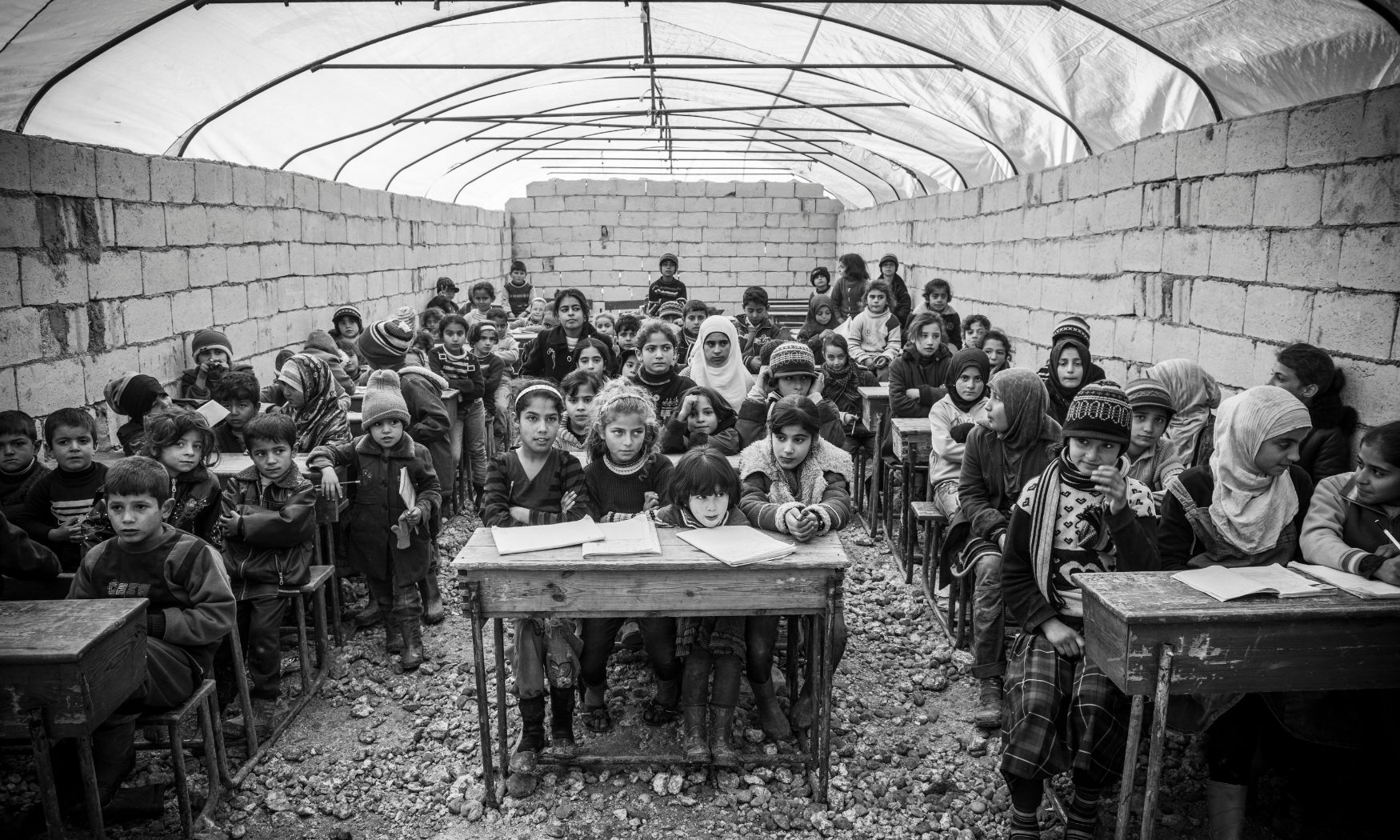
Bana Alabed – Education Initiative
Bana Alabed, winner 2025 International Children's Peace Prize
Syria
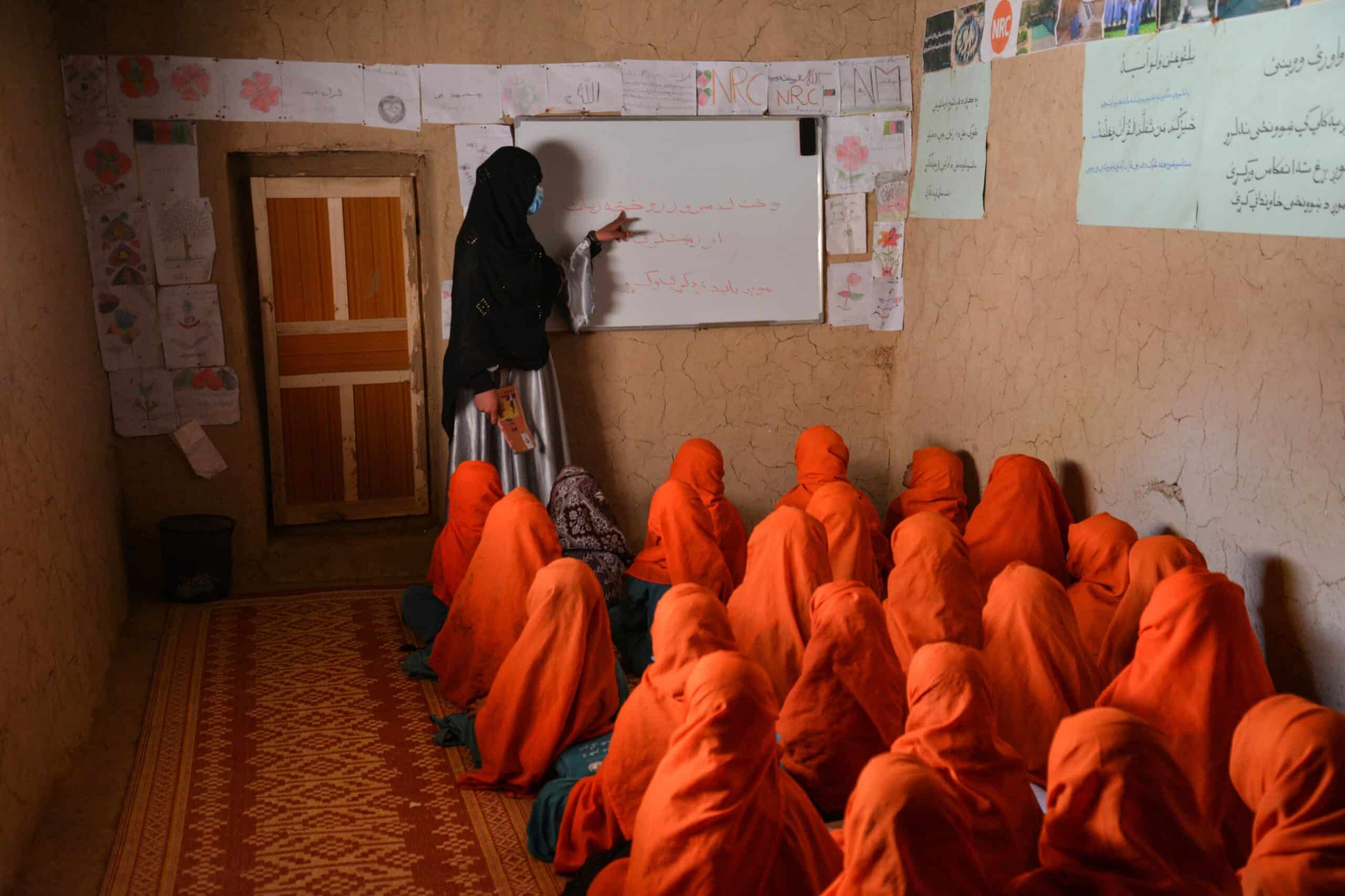
Nila Ibrahimi – ROYA Mentorship Programme
HerStory Initiative Society
Canada
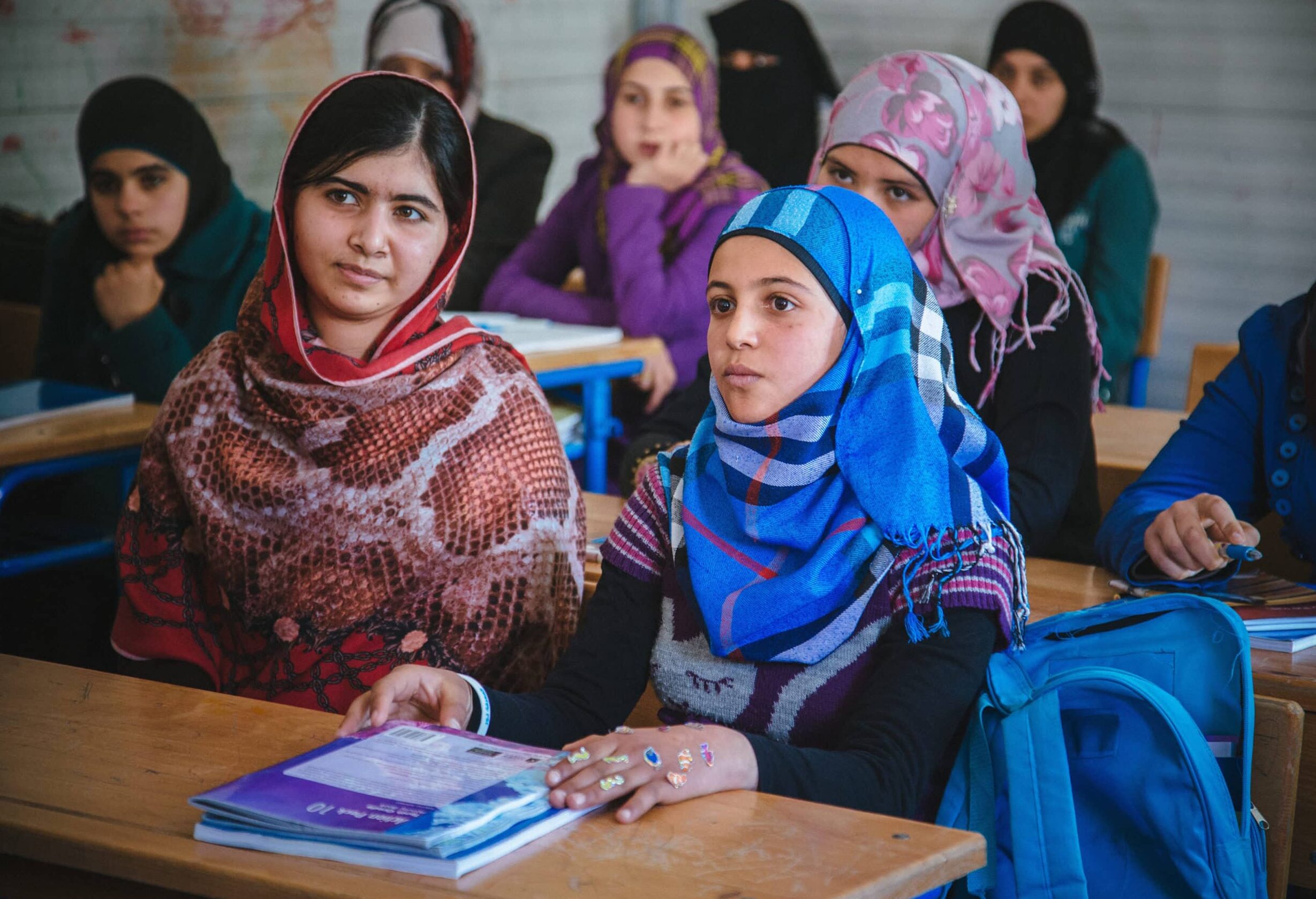
Malala Yousafzai – Education Scholarships for Girls in Pakistan
Khushal School & College
Pakistan

Smart Street School – Where There’s No School, They Bring One
Crossadder Foundation
Pakistan
SheNarrates – Voices of Desert, Stories of Strength
State of Youth Collective Youth Action
Pakistan
Breaking Stereotypes – Youth for Gender Equality
State of Youth Revivals Egypt
Egypt