
Malala Yousafzai – Education Scholarships for Girls in Pakistan
The Khushal School & College provides quality education and scholarships to deserving girls in Swat Valley who would otherwise be unable to continue their studies — offering a safe, empowering learning environment in a region where girls' access to education remains deeply unequal.
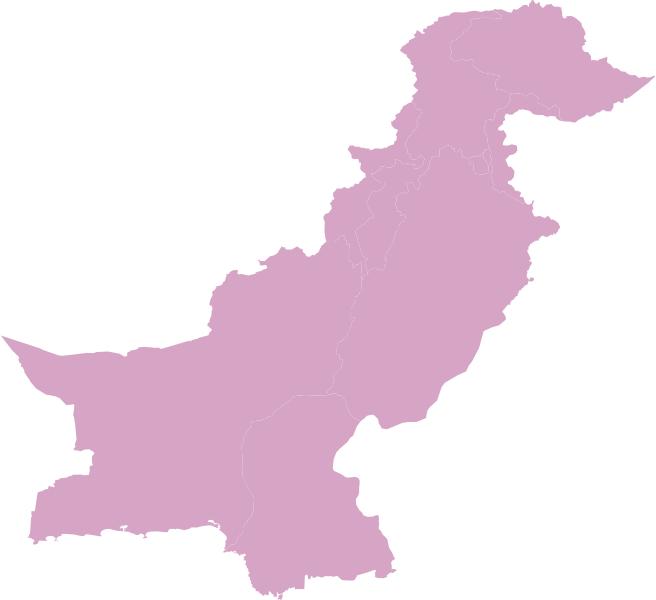
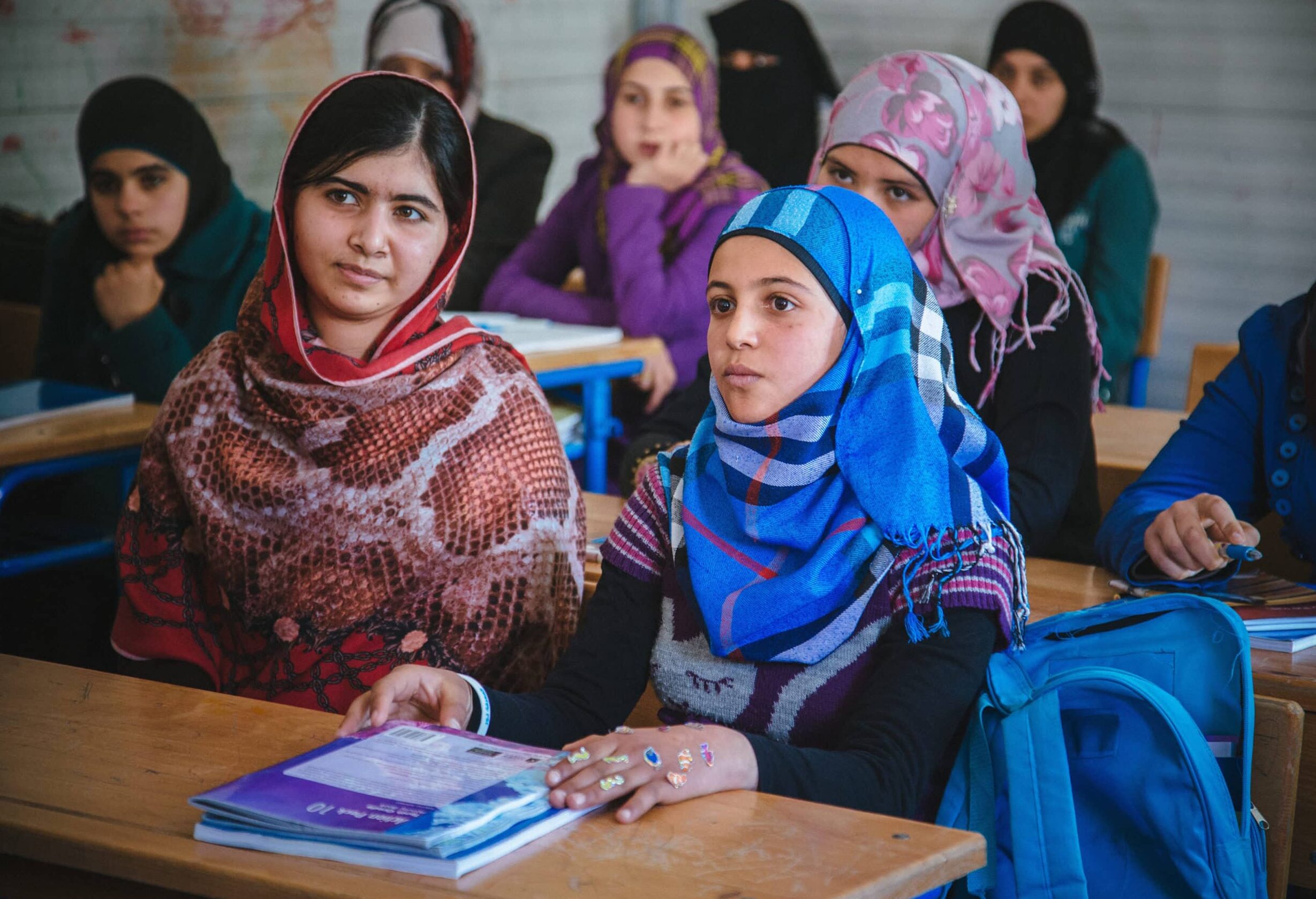
In Pakistan, access to quality education for girls is far from guaranteed. Over 9 million girls — 31% of the school-age female population — are currently out of school. Poverty, early marriage and social pressure mean that girls structurally fall behind in the education system, with many never reaching secondary level. In Swat, Khyber Pakhtunkhwa, these barriers are compounded by limited availability of girls’ colleges and low household incomes, leaving capable, motivated young women unable to complete their intermediate education.
The Khushal School & College was founded by Ziauddin Yousafzai — father of Malala Yousafzai, winner of the 2013 International Children’s Peace Prize and Nobel Peace Prize. It is the school where Malala herself studied. Though she now lives in the United Kingdom, Malala remains deeply connected to the school and to the cause of girls’ education in the region she grew up in. The school provides a trusted, safe learning environment for girls who would otherwise have no access to quality education, and has built a long track record of educating young women who carry that opportunity forward into their families and communities.
"Girls understand the power of education — and they are working to open the school gates wide enough for every child to enter."
- Malala Yousafzai, 2013 winner International Children's Peace Prize
Through a transparent scholarship programme, girls are selected on the basis of academic merit and financial need. Each scholarship covers tuition fees, educational materials and academic support for a full school year — a direct and measurable model in which every pound contributed is linked to one child and one year of education.
Alongside academic study, the school runs a rich programme of co-curricular activities that develop students’ confidence, leadership and voice. During 2025, girls participated in debate competitions, a science exhibition, career counselling sessions, women empowerment workshops and creative writing programmes. Students visited historical sites in the Swat Valley and the public library, building a sense of pride in their region alongside their academic skills.
The school’s commitment to broader development is reflected in its national reach. Five KSC students represented the school at the Pakistan Girls Empowerment Forum, raising young voices on leadership, mental wellbeing, nutrition and climate change. Three more were invited to a UNICEF seminar in Islamabad focused on an empowered future for girls in Pakistan. These moments illustrate how the Khushal School’s impact extends far beyond the classroom.
Regular assessments, parental engagement sessions and teacher monitoring ensure that every girl remains on track throughout the year. The school’s eleven staff — including seven teachers, three administrators and a psychologist — work together to support academic progress and holistic wellbeing, creating an environment in which girls thrive.
Key Moment from the Project
One of the most meaningful moments of the Khushal School programme is watching girls who arrived uncertain of their futures leave with strong academic results, professional ambitions, and the confidence to pursue them. For many scholarship recipients, simply being in class — studying, debating, presenting at a science fair — is itself a quiet act of determination against the social pressures that would have kept them at home. When five KSC students raised their voices at the Pakistan Girls Empowerment Forum, and three others were invited to Islamabad for a UNICEF seminar, the school’s impact extended well beyond the classroom and into a national conversation about girls’ rights and futures.
Impact of the project
15 girls supported with scholarships in the 2025 project year, completing their intermediate education at Khushal School & College.
86% top FSC Part I result achieved by scholarship students, with all girls passing their examinations.
26 girls completed FSC Part II, with results ranging from 64% to 84.5% — all passing.
5 KSC students represented the school at the Pakistan Girls Empowerment Forum, speaking on leadership, wellbeing and climate change.
3 girls invited to a UNICEF seminar in Islamabad on empowering Pakistan's future.
60+ parents and community members engaged through bi-monthly awareness sessions on girls' right to education.
11 staff members supporting the programme, including teachers, administrators and a psychologist.
Other projects
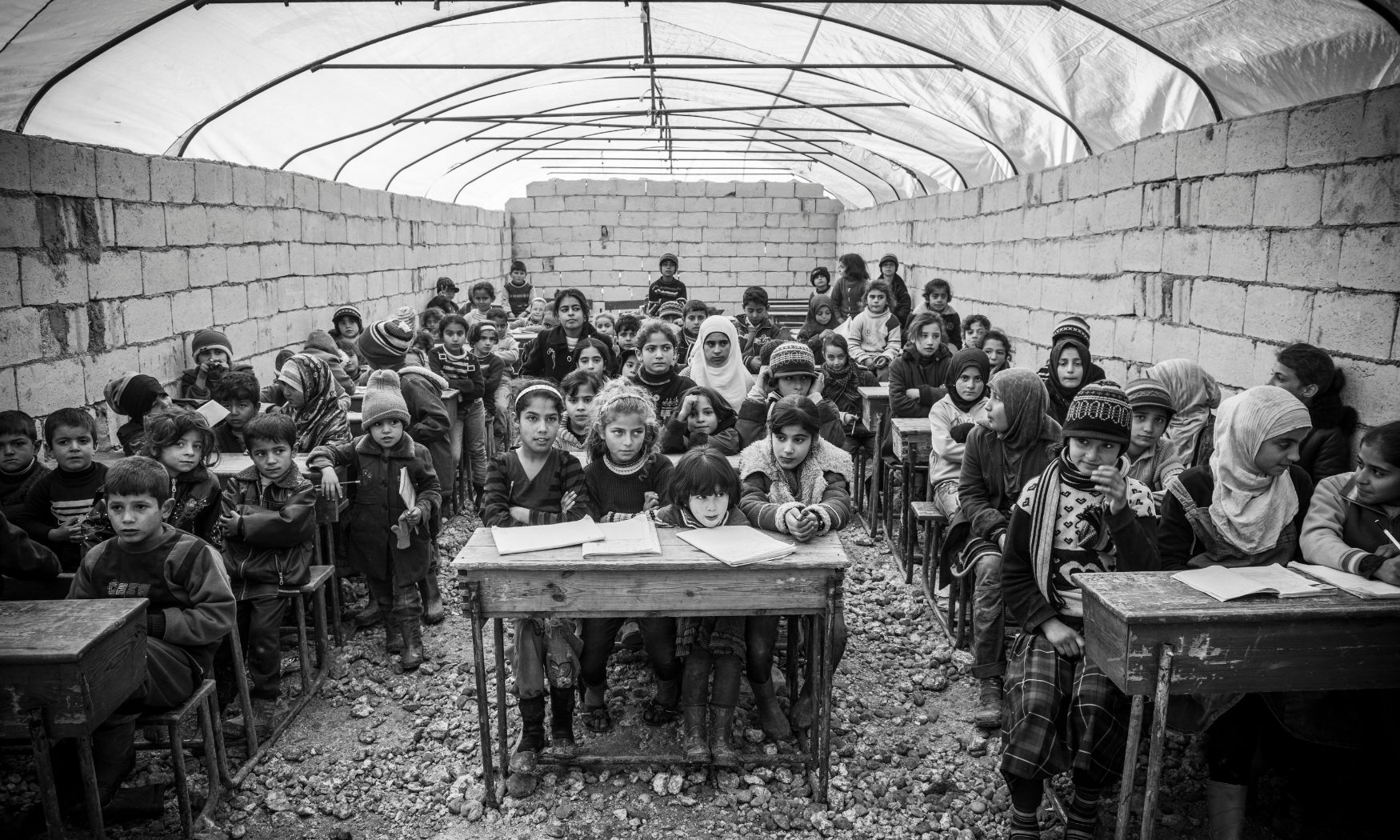
Bana Alabed – Education Initiative
Bana Alabed, winner 2025 International Children's Peace Prize
Syria
Nila Ibrahimi – ROYA Mentorship Programme
HerStory Initiative Society
Canada

Smart Street School – Where There’s No School, They Bring One
Crossadder Foundation
Pakistan
SheNarrates – Voices of Desert, Stories of Strength
State of Youth Collective Youth Action
Pakistan

Nav and Vihaan Agarwal – Children’s Climate Action & Circularity Initiative
One Step Greener
India
Breaking Stereotypes – Youth for Gender Equality
State of Youth Revivals Egypt
Egypt