
Smart Street School – Where There’s No School, They Bring One
Smart Street School is a portable, solar-powered classroom initiative in Pakistan designed to provide free, high-quality education to children in underserved communities. Built inside a refurbished container, the project brings learning directly to marginalized areas, helping address the national education emergency through innovation and accessibility.
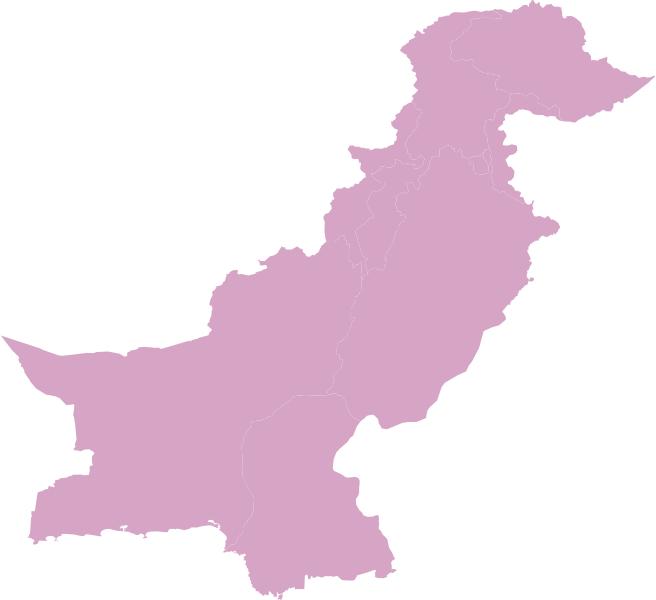
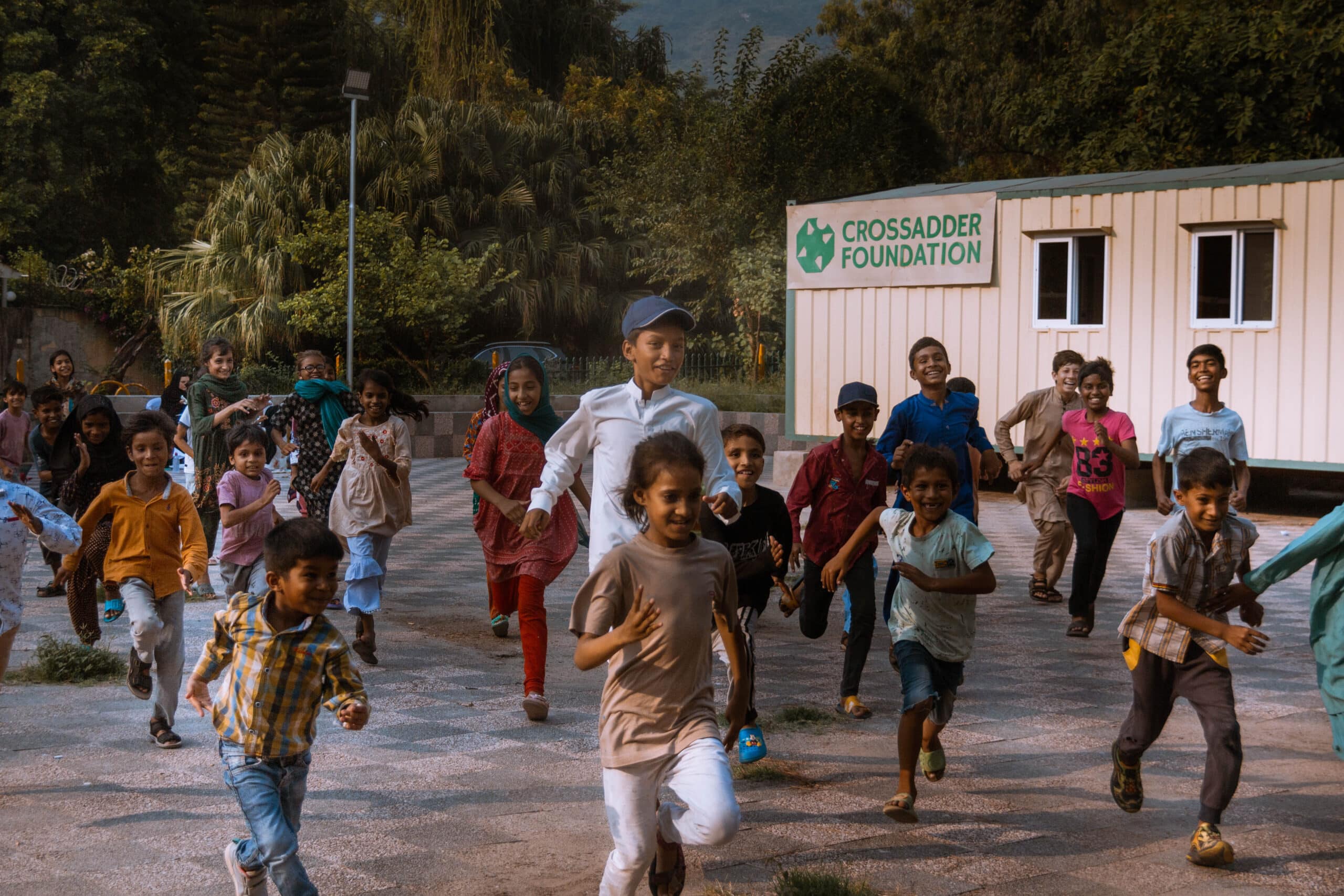
Pakistan is facing what many education advocates describe as a deep and persistent learning emergency, most severe in low-income and marginalized communities where schools are either inaccessible, under-resourced, or entirely absent. In response, a youth-led initiative is attempting a simple but radical reversal of the traditional model: instead of children going to school, the school goes to the children.
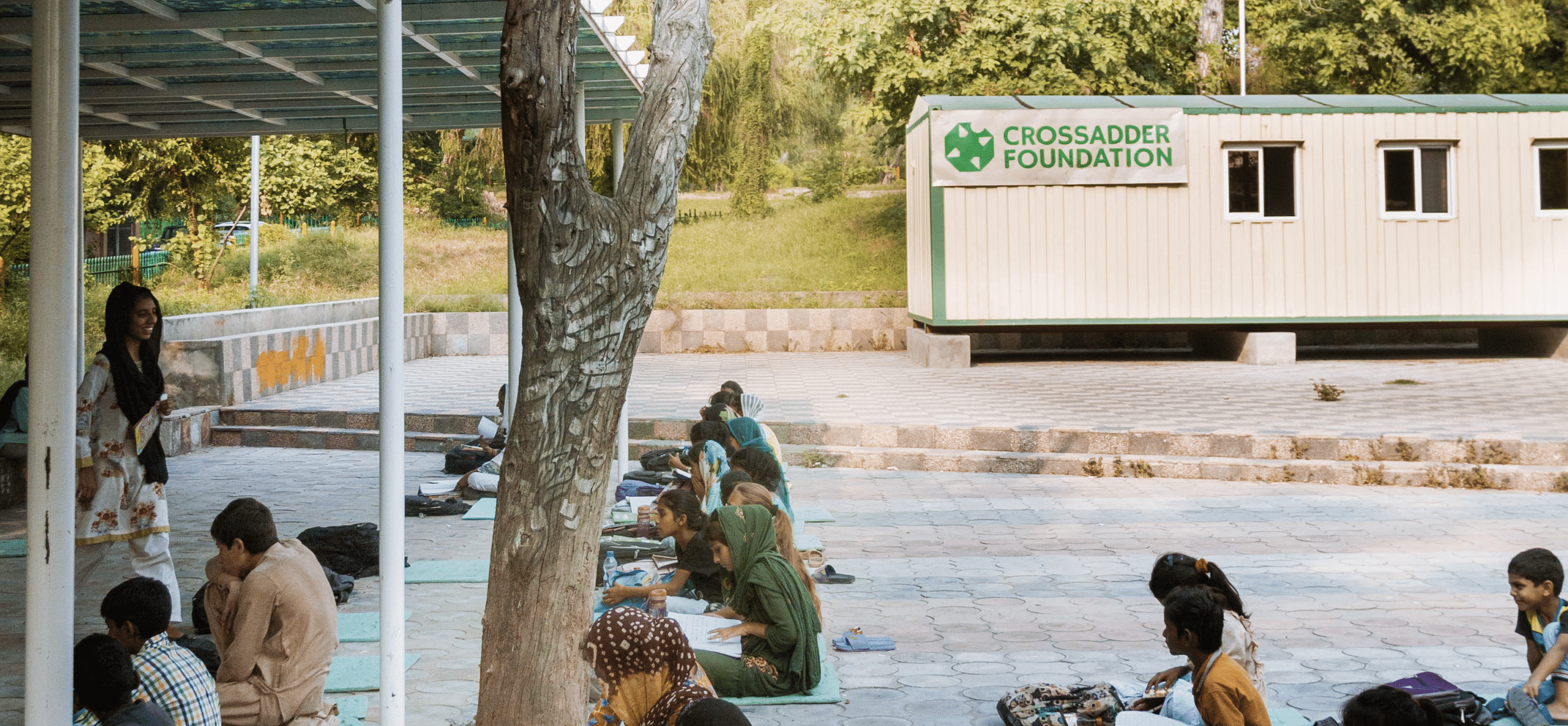
Launched in 2023 by the Crossadder Foundation, Smart Street School is an effort to bring formal education directly into communities that have long been left outside the reach of the state’s education system. Built inside a fully refurbished shipping container, the structure has been reimagined as a portable classroom: powered by solar energy, equipped with water sanitation systems, bathrooms, and modern learning tools. At a glance, it resembles a modest structure; inside, it functions as a fully operational school designed to serve around 60 students at a time.
The model is intentionally mobile and modular. It can be transported and installed in areas where conventional school infrastructure is either unavailable or too distant to be practical. In doing so, it challenges a fundamental assumption of education delivery: that access depends on geography.
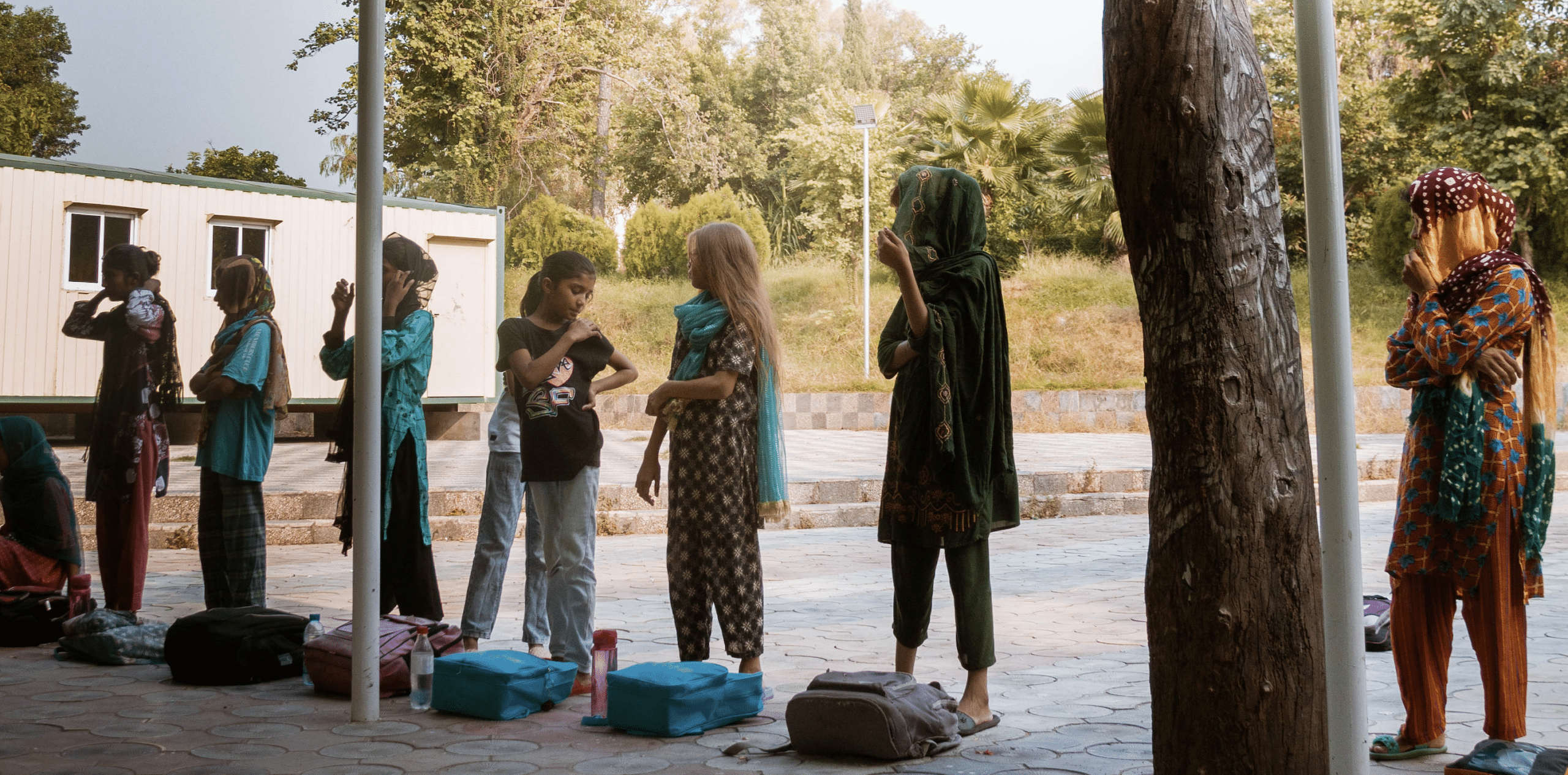
At its pilot site in one of Islamabad’s largest informal settlements, the project now serves more than 400 children daily. The school was placed here deliberately, in a densely populated area where many children remain out of school despite being of primary learning age. For many families, the container school is not an alternative to formal education, it is the first and only consistent point of access to it.
A significant majority of the children—approximately 83 percent—come from the local Christian community living in nearby slums, one of several minority groups that often face overlapping barriers of poverty, exclusion, and limited institutional support. Within this context, Smart Street School has become less a pilot project and more a functioning educational lifeline.
The initiative is run by volunteers and youth organizers who see education not as a fixed system, but as something that can be redesigned, relocated, and reimagined. Its structure reflects that philosophy: cost-efficient, environmentally conscious, and deliberately simple in form but expansive in ambition. Solar power reduces reliance on unstable electricity grids, while the container itself minimizes construction costs and environmental impact, positioning sustainability as a core design principle rather than an afterthought.
Beyond its immediate educational function, Smart Street School represents a broader argument about what humanitarian response can look like when driven by young people. It is not framed as charity alone, but as infrastructure innovation, an attempt to build systems that can adapt to where people are, rather than expecting people to adapt to systems that do not reach them.
The Crossadder Foundation now plans to expand this model further. Among its most ambitious ideas is Smart Street Hospitals: mobile, container-based healthcare units designed to bring basic medical services into similarly underserved areas. Like the school, the concept is rooted in the same inversion: essential services should not wait for people to arrive at institutions that may never exist within reach.
In a country where millions of children remain outside formal education, Smart Street School is a small intervention against a large problem. But it also signals a wider shift in thinking, one where youth-led organizations are not only responding to gaps in public systems, but attempting to redesign the very idea of access itself.
Impact of the project
400+ children are reached on a daily basis through free classes conducted in the Smart Street School container classroom and the park, providing foundational learning opportunities in underserved communities.
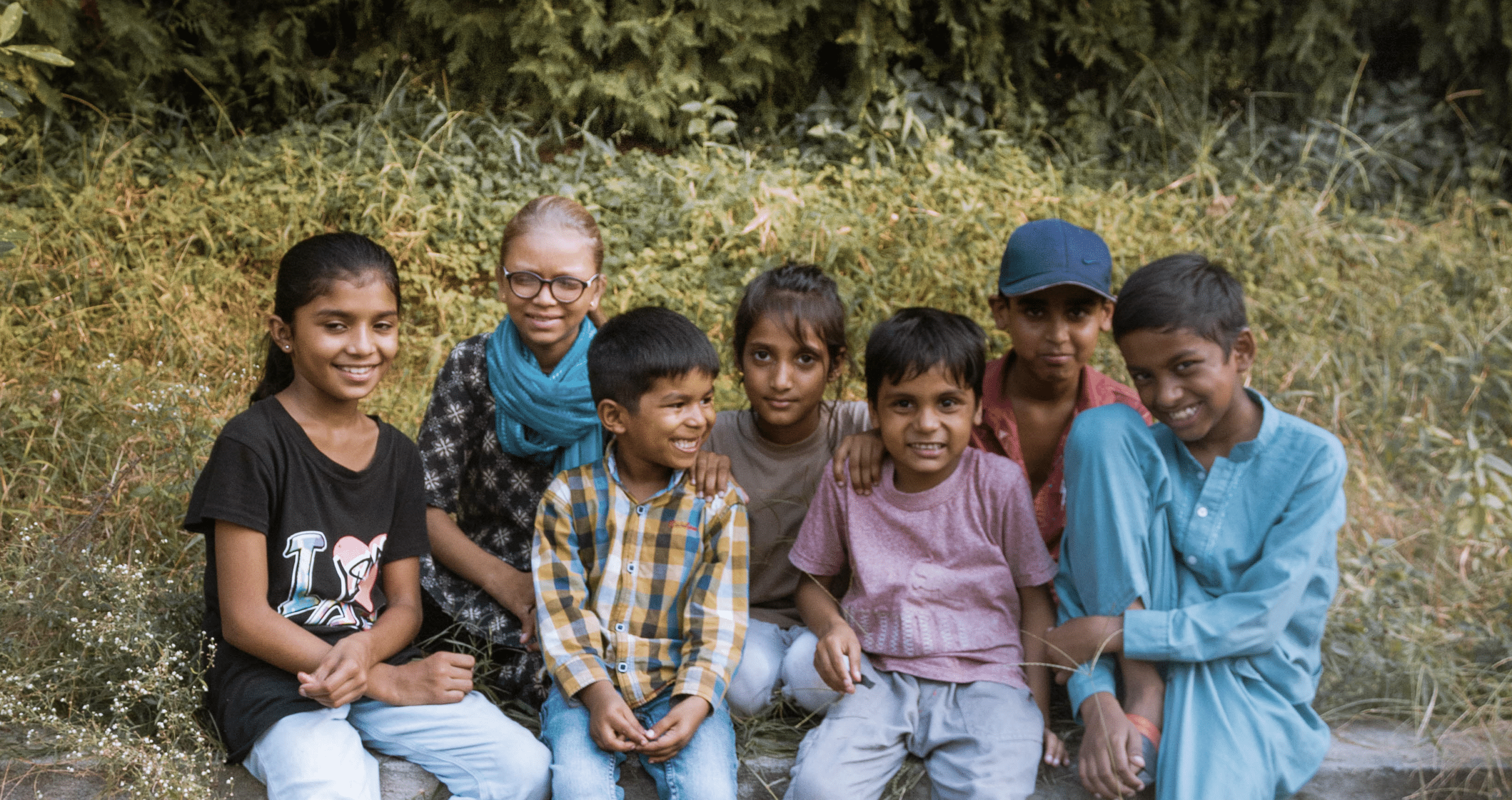
1,000+ young people and adults are reached monthly through events such as workshops, bake-and-sell activities, and panel discussions at the school's premisses.
Other projects
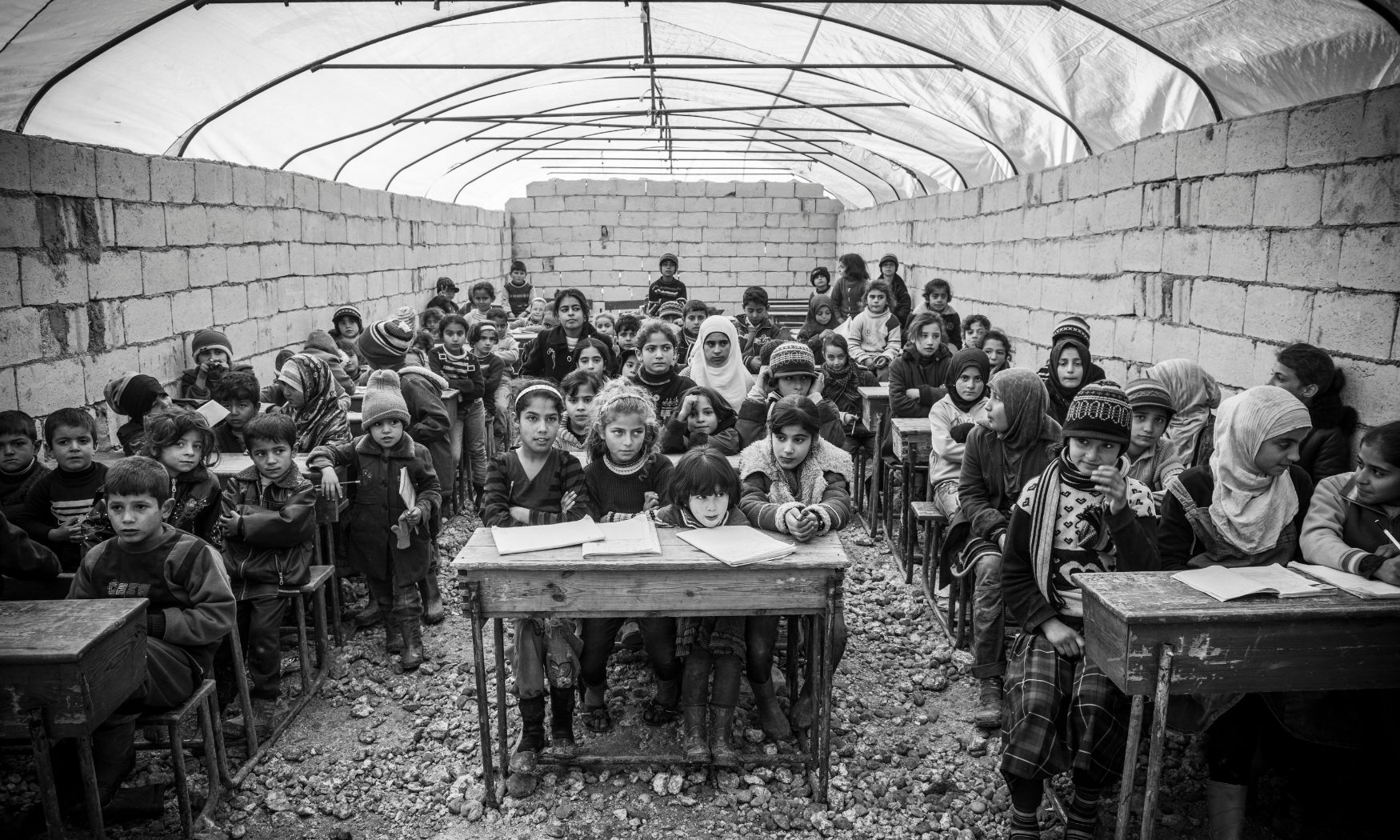
Bana Alabed – Education Initiative
Bana Alabed, winner 2025 International Children's Peace Prize
Syria
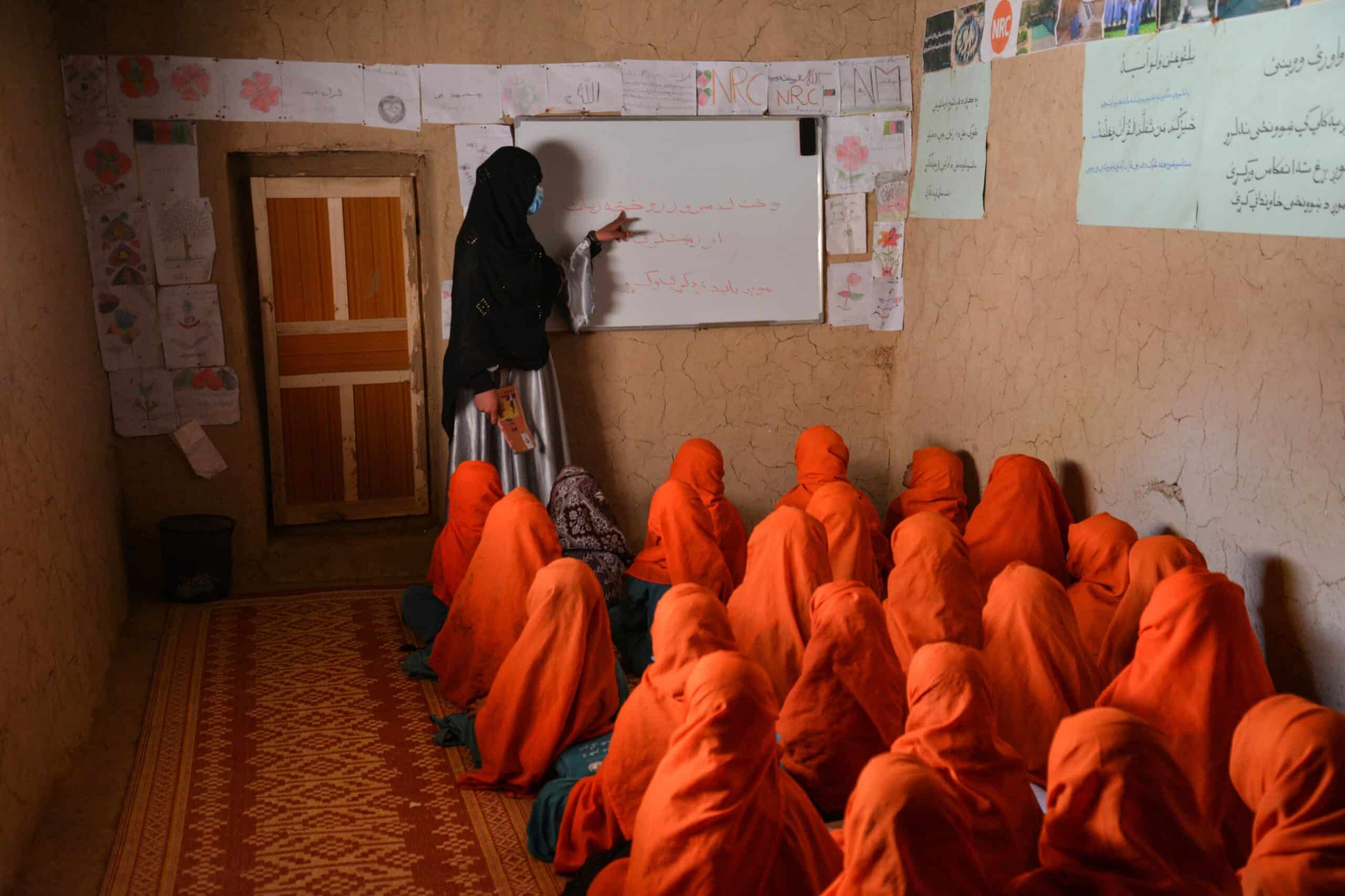
Nila Ibrahimi – ROYA Mentorship Programme
HerStory Initiative Society
Canada
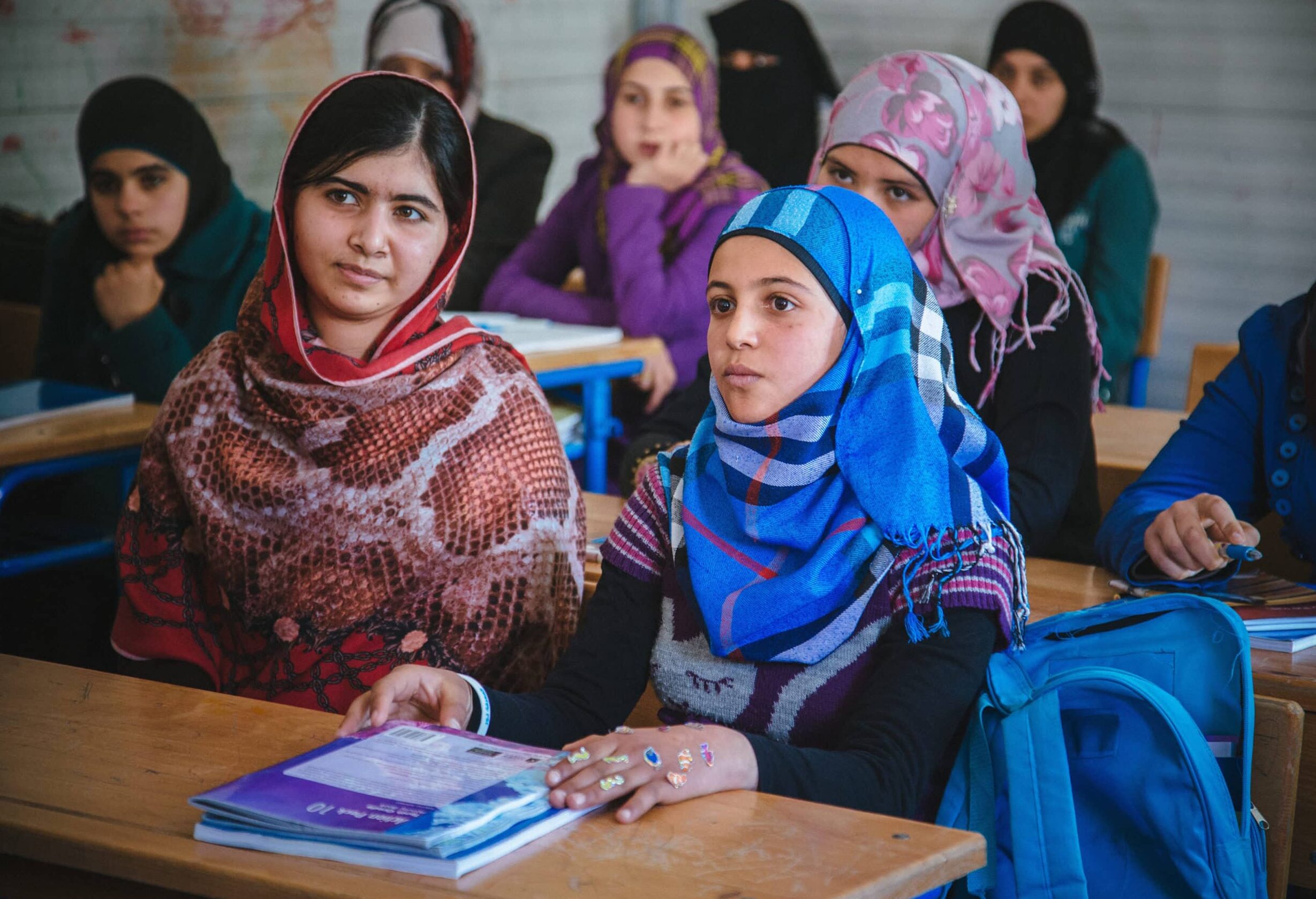
Malala Yousafzai – Education Scholarships for Girls in Pakistan
Khushal School & College
Pakistan
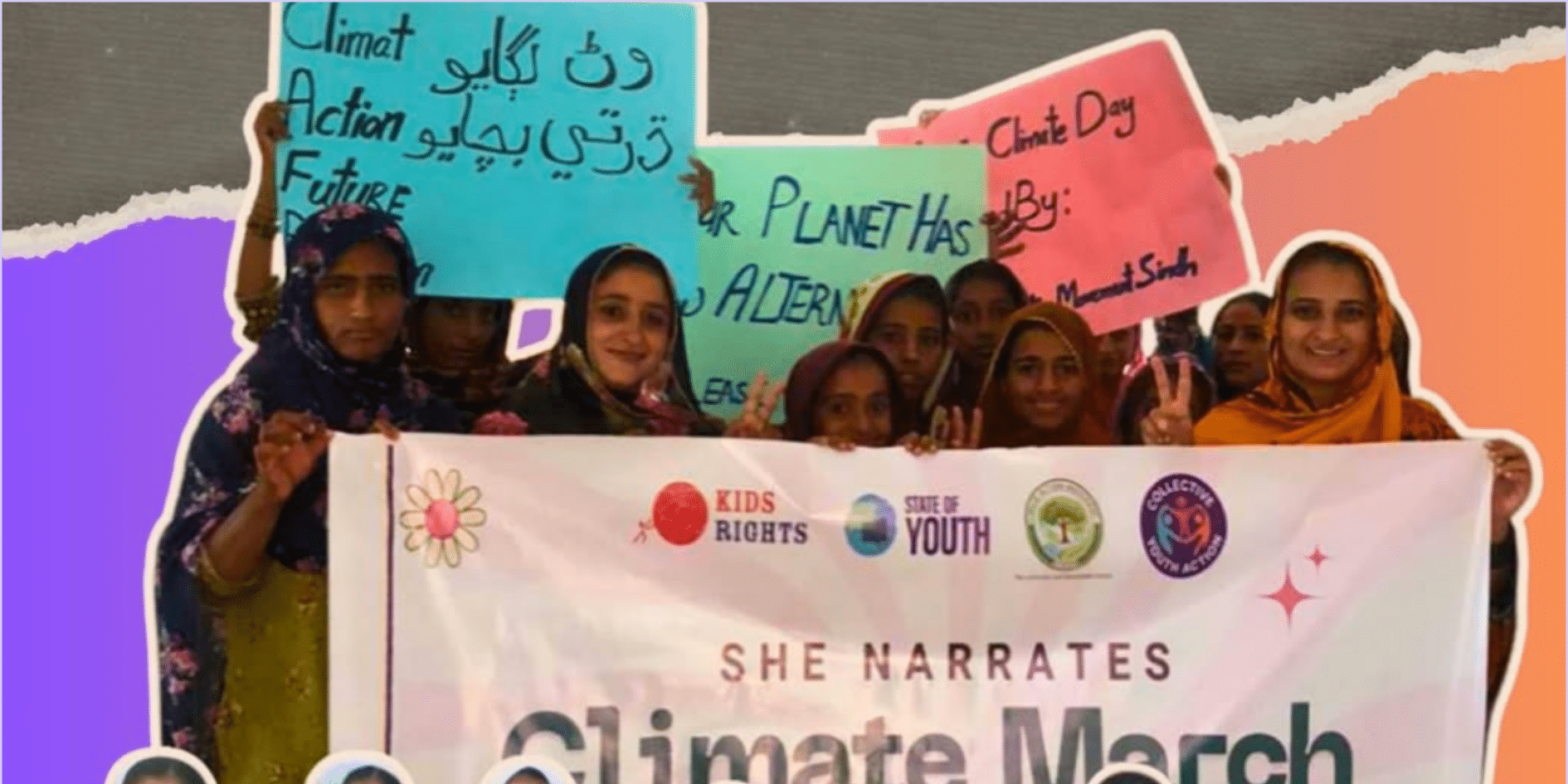
SheNarrates – Voices of Desert, Stories of Strength
State of Youth Collective Youth Action
Pakistan

Nav and Vihaan Agarwal – Children’s Climate Action & Circularity Initiative
One Step Greener
India
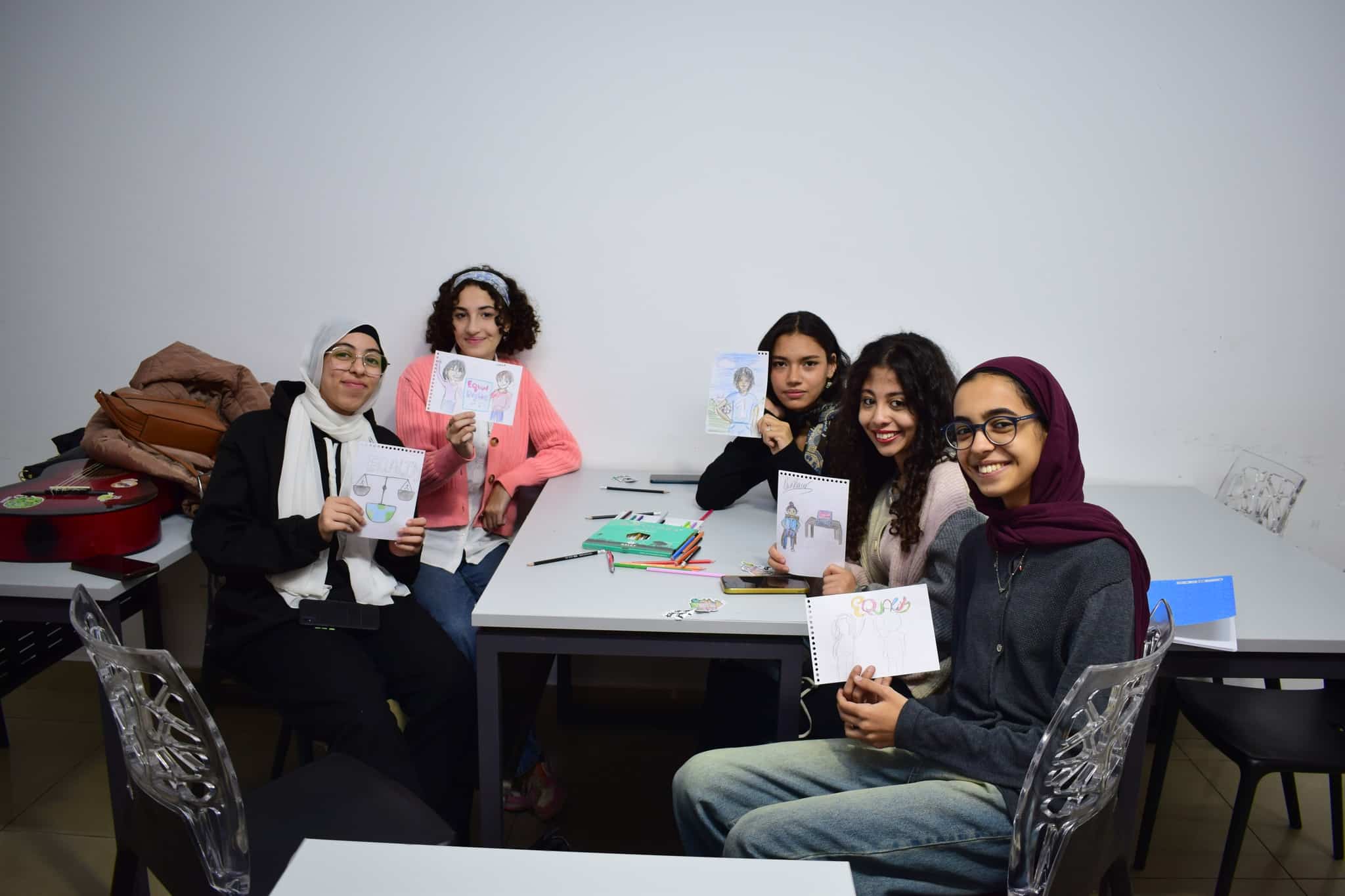
Breaking Stereotypes – Youth for Gender Equality
State of Youth Revivals Egypt
Egypt