
G-SES – Educating Girls in Nigeria
The Girl Child School Enrolment and Sustainability (G-SES) Project in Nigeria supported girls’ access to education by enrolling out-of-school girls into basic education and raising community awareness on the importance of girls’ schooling. The project empowered communities to challenge harmful norms and invest in a more equitable future.
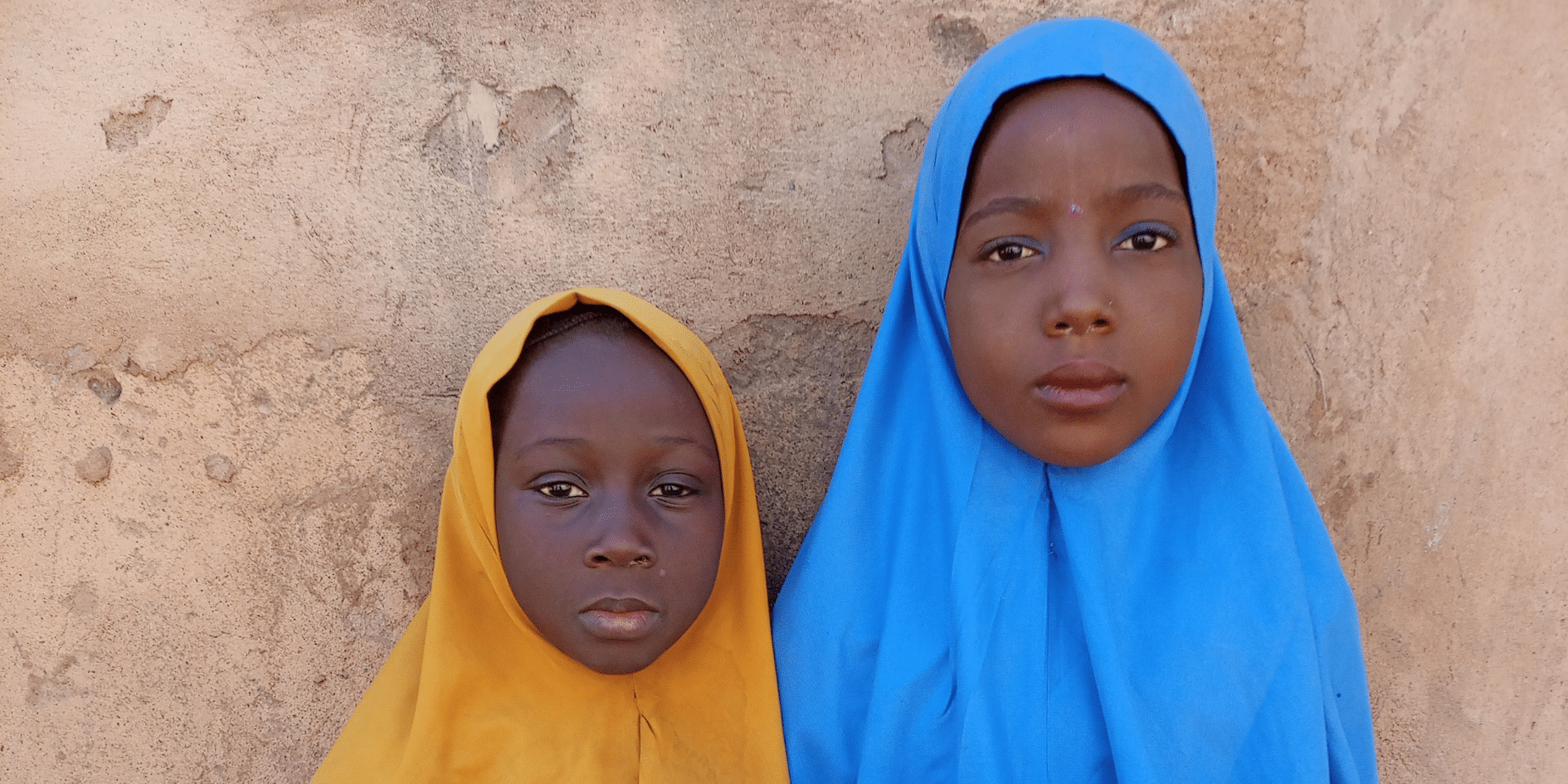
In many communities across Nigeria, girls continue to face significant barriers to accessing education due to socio-cultural norms, economic constraints, and longstanding beliefs that prioritize boys’ education over girls’. These challenges often result in lower enrollment rates for girls, higher dropout rates, and reduced opportunities for personal and community development.
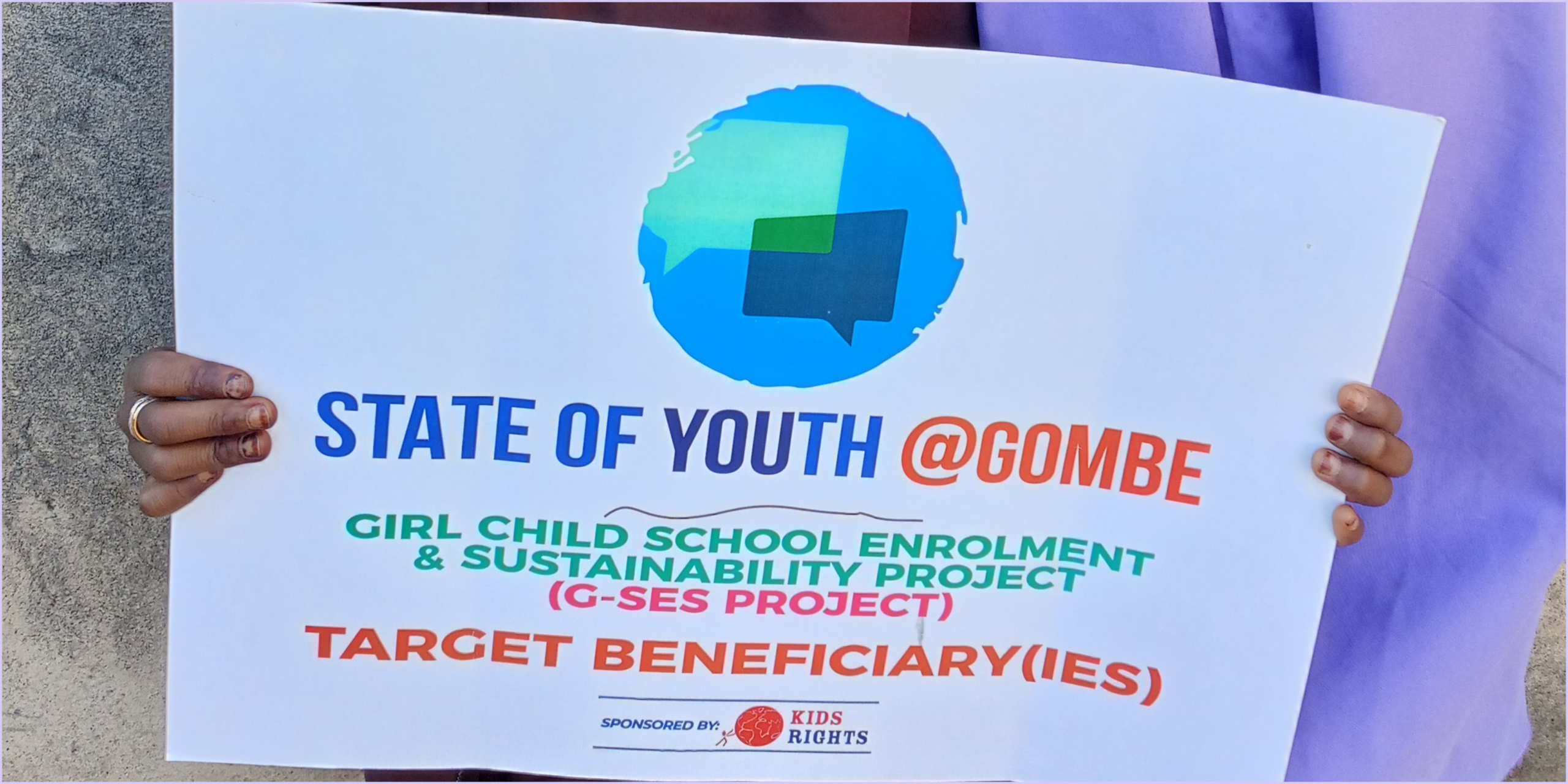
To address these issues, State of Youth @ Gombe implemented the Girl Child School Enrolment and Sustainability (G-SES) Project, an initiative focused on improving access to education for girls and strengthening community awareness around the importance of girls’ schooling.
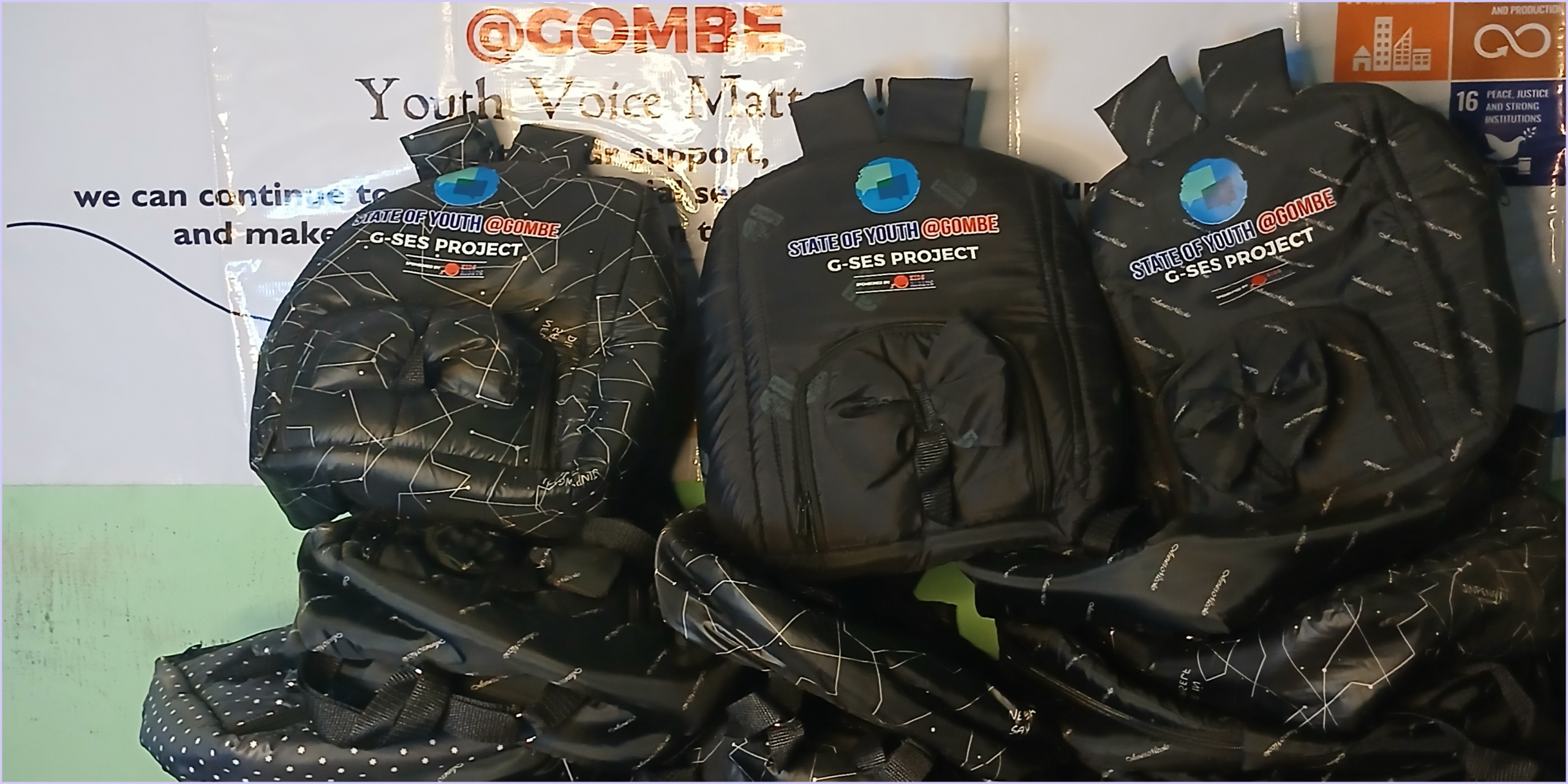
A key achievement of the project was the enrollment of 38 girls into basic education, surpassing the original target of 33. Many of these girls had previously dropped out of school due to financial hardship, lack of learning materials, absence of guardianship, or health-related challenges. By re-enrolling them into the education system, the project helped restore their access to learning and opened new pathways for their future development.
Beyond enrollment, the project placed strong emphasis on community engagement. The team organized awareness workshops targeting parents, guardians, mothers, and broader community members to highlight the importance of educating girls. These sessions addressed the barriers girls face in accessing education and emphasized the long-term benefits of investing in girls’ education for families and society as a whole.
Participants were encouraged to reconsider traditional norms and recognize education as a fundamental right for every child. A key message shared throughout the project was that “one educated girl is equivalent to an educated family or generation,” reinforcing the transformative impact of educating girls not only on individuals but on entire communities.
While the primary focus of the project was education access, it also contributed indirectly to youth empowerment and leadership development. By equipping girls with access to schooling and knowledge, the initiative helped lay the foundation for future changemakers who can contribute to their communities and advocate for positive social change.
Through enrollment support, awareness campaigns, and community engagement, the G-SES Project demonstrated how targeted interventions can break barriers to education and create lasting social impact.
Key Moment from the Project
A defining moment of the G-SES Project was surpassing the initial target by successfully enrolling 38 girls into basic education, including several who had dropped out due to hardship. Equally impactful were the community workshops where parents and guardians openly discussed the value of girls’ education and began to shift long-held beliefs. These moments reflected a meaningful step toward long-term cultural change and educational inclusion.
Impact of the project
220+ children were reached through awareness activities, school enrollment initiatives, and project implementation efforts aimed at increasing access to education for girls and improving community understanding of girls’ education rights.
900+ youth were engaged through awareness campaigns and mobilization efforts that supported advocacy for girls’ education and community sensitization activities.
170+ adults participated in workshops and awareness sessions focused on the importance of girls’ education, addressing socio-cultural barriers, and encouraging families to invest in their daughters’ schooling.
Other projects
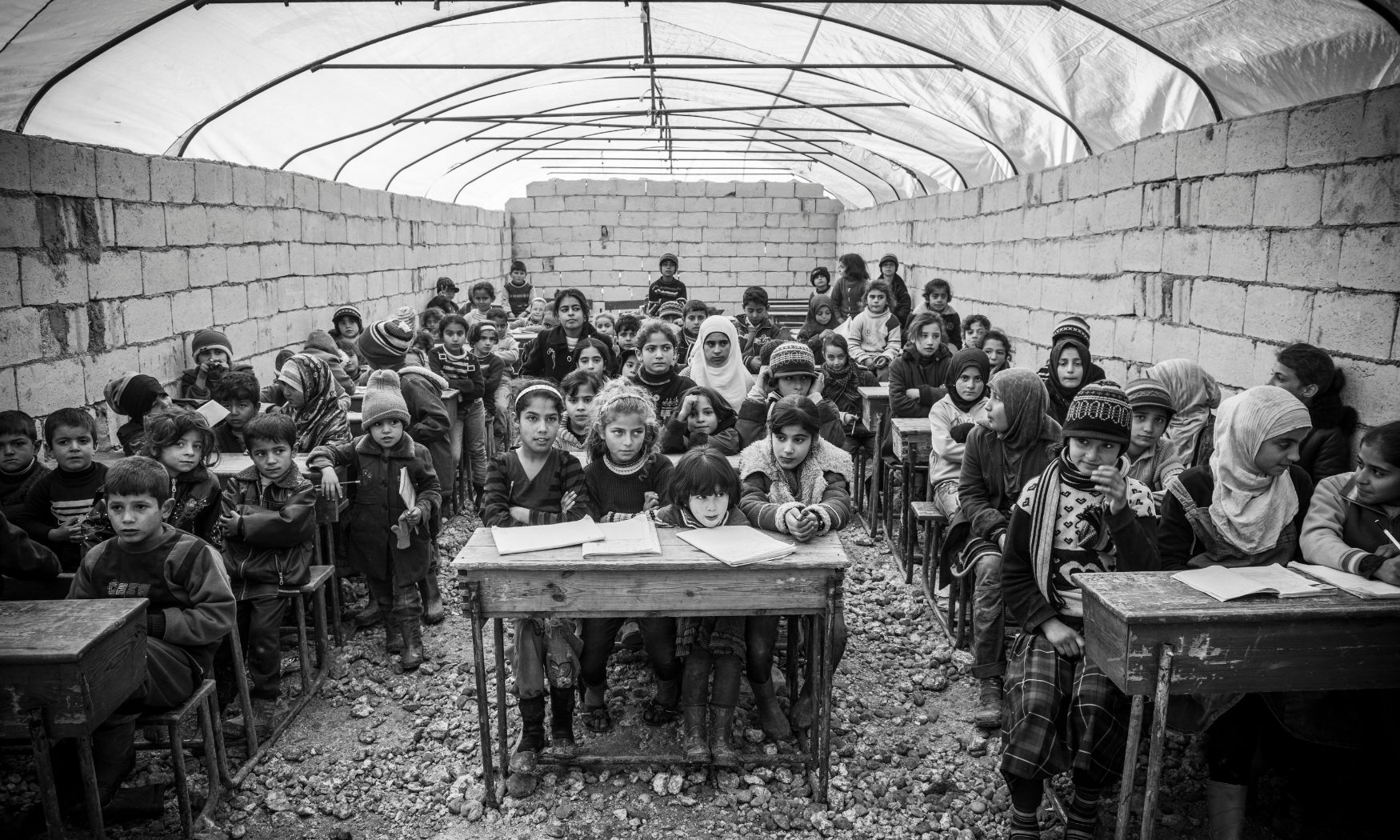
Bana Alabed – Education Initiative
Bana Alabed, winner 2025 International Children's Peace Prize
Syria
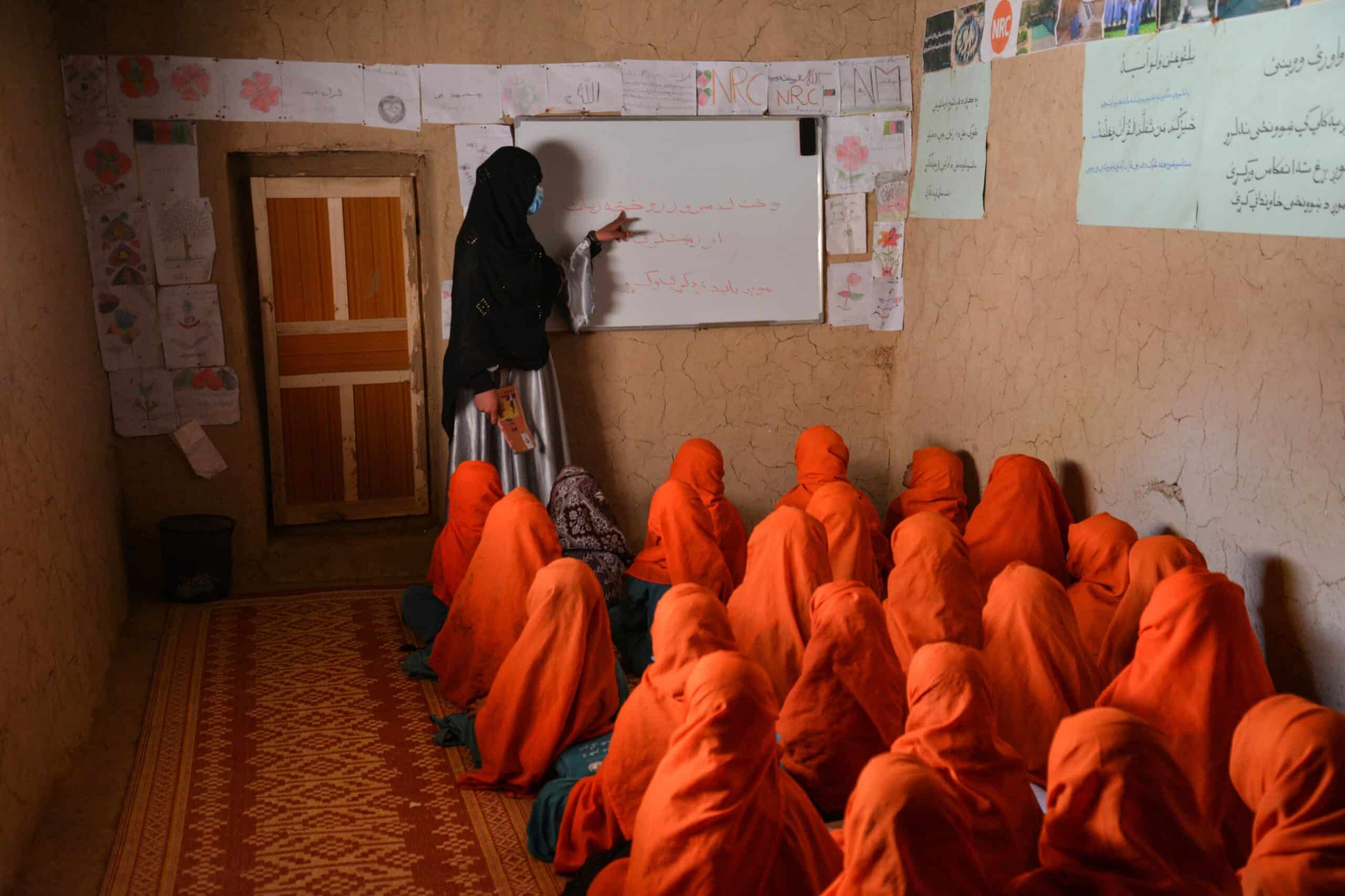
Nila Ibrahimi – ROYA Mentorship Programme
HerStory Initiative Society
Canada
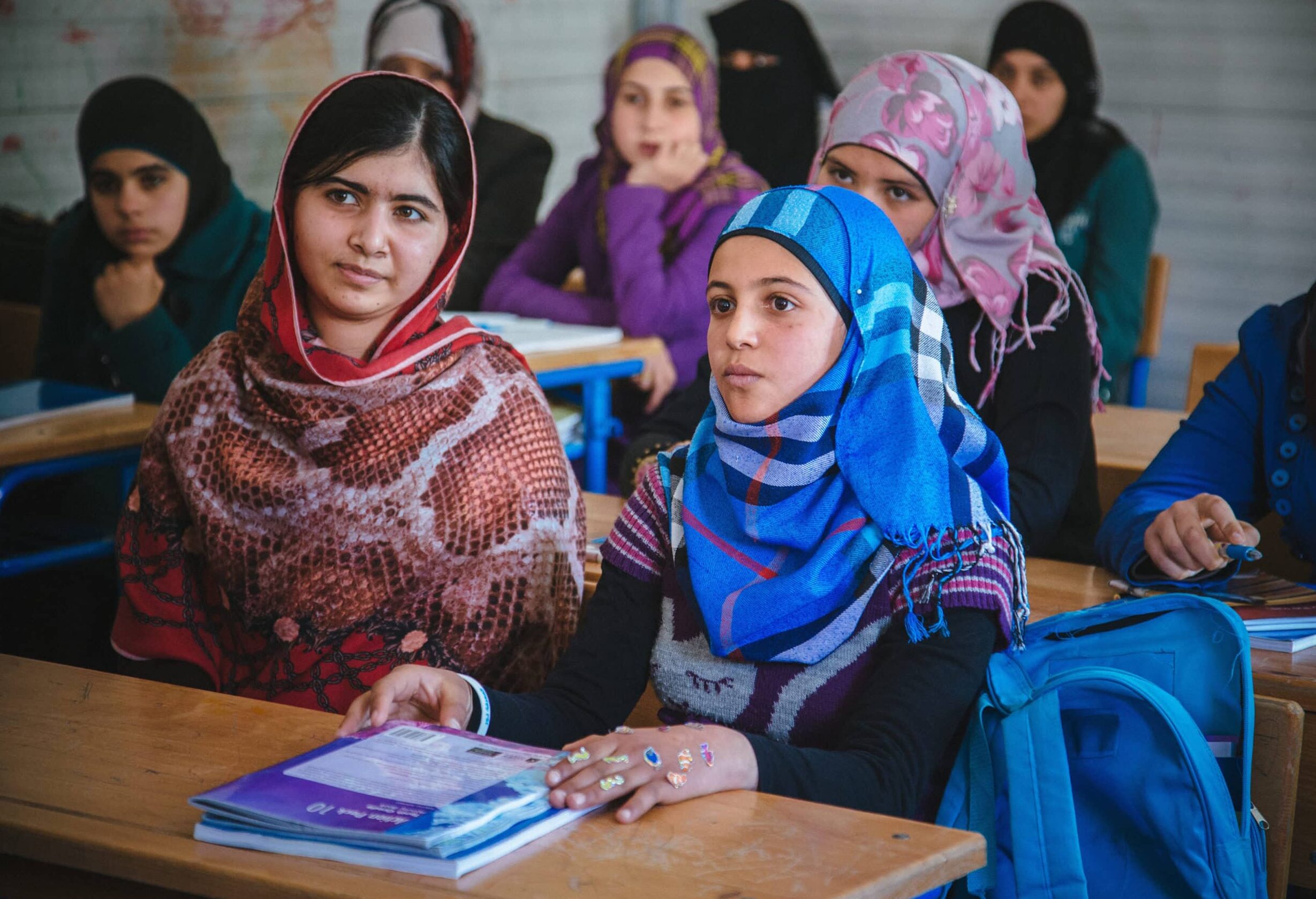
Malala Yousafzai – Education Scholarships for Girls in Pakistan
Khushal School & College
Pakistan
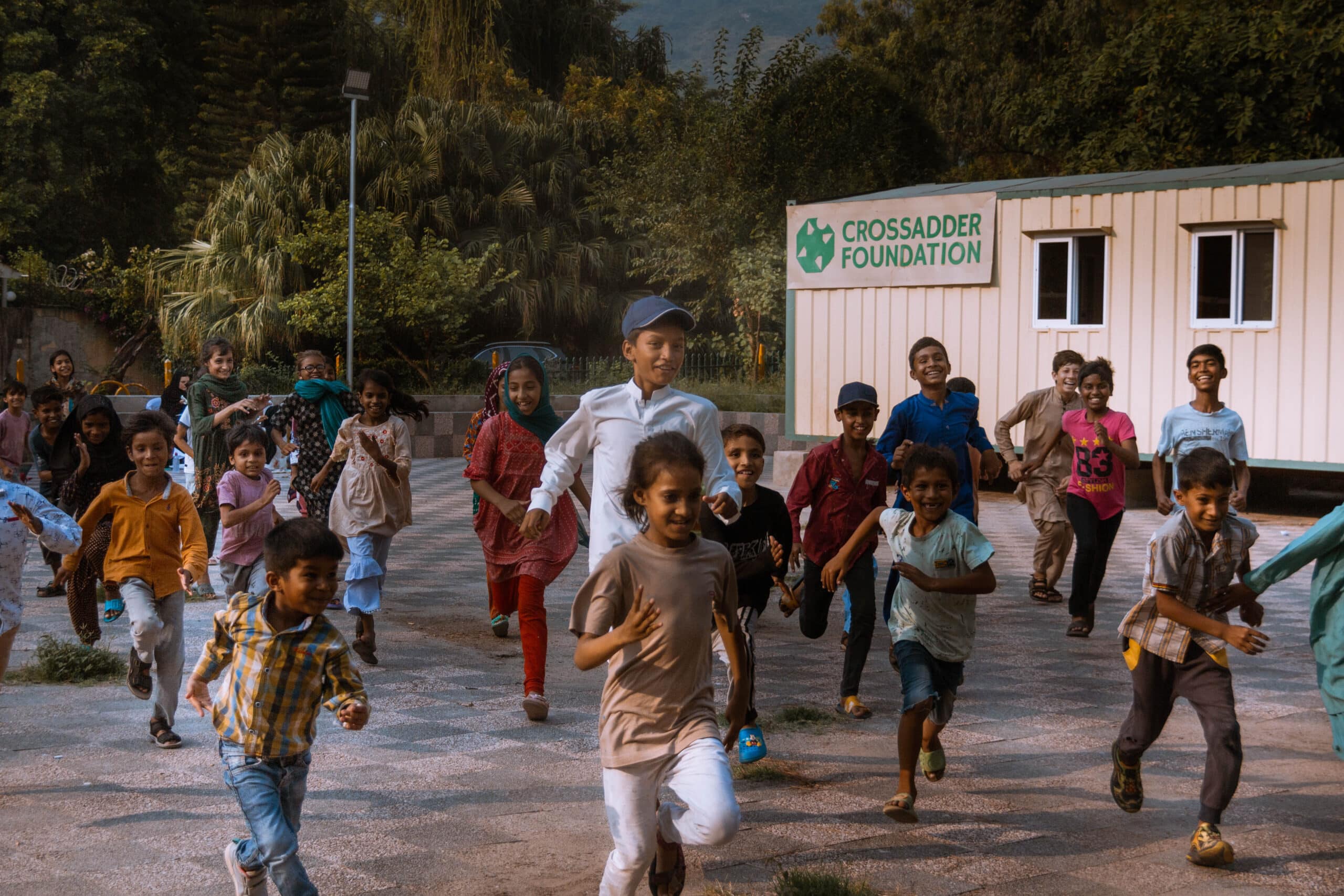
Smart Street School – Where There’s No School, They Bring One
Crossadder Foundation
Pakistan
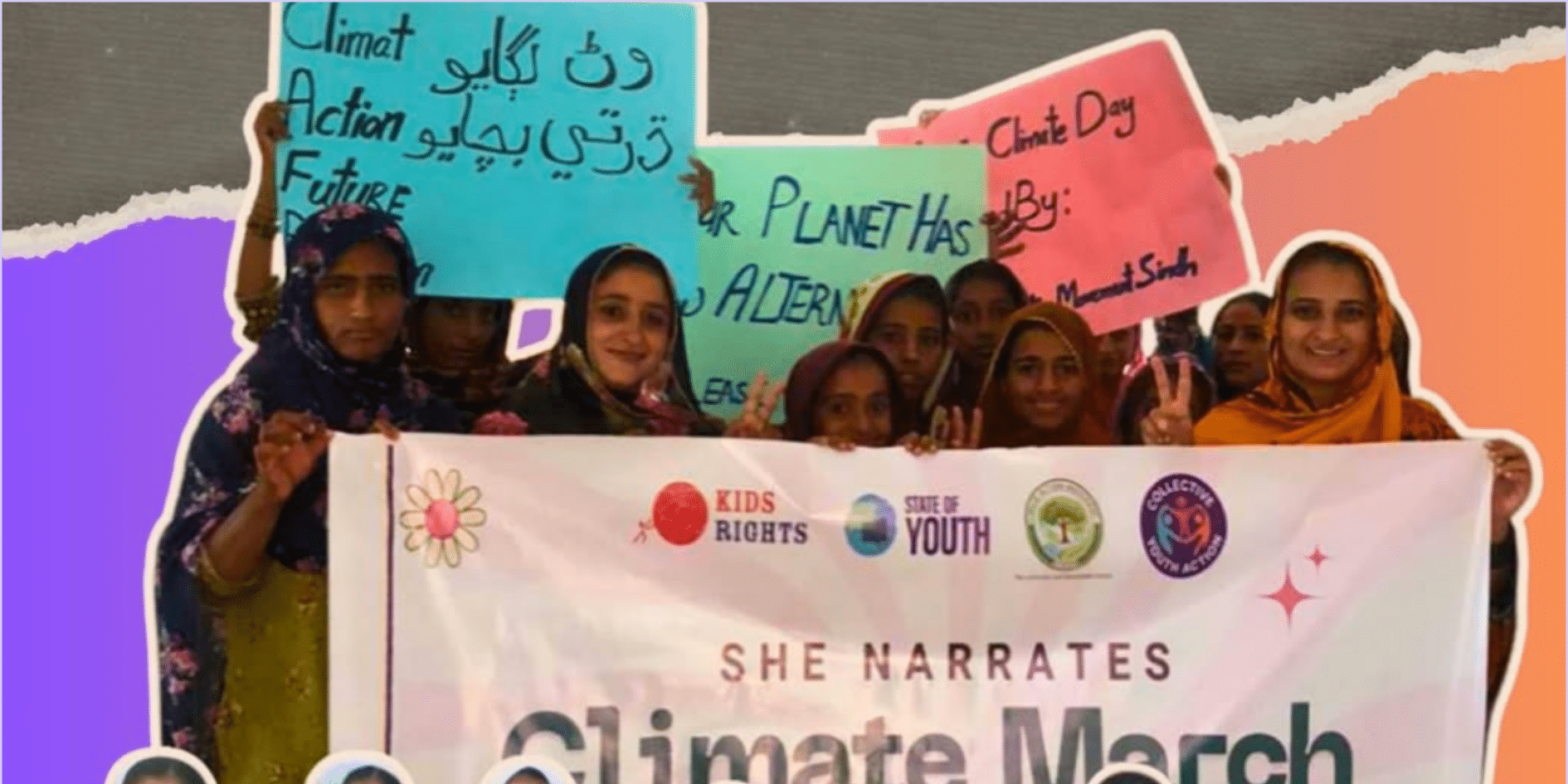
SheNarrates – Voices of Desert, Stories of Strength
State of Youth Collective Youth Action
Pakistan

Nav and Vihaan Agarwal – Children’s Climate Action & Circularity Initiative
One Step Greener
India